


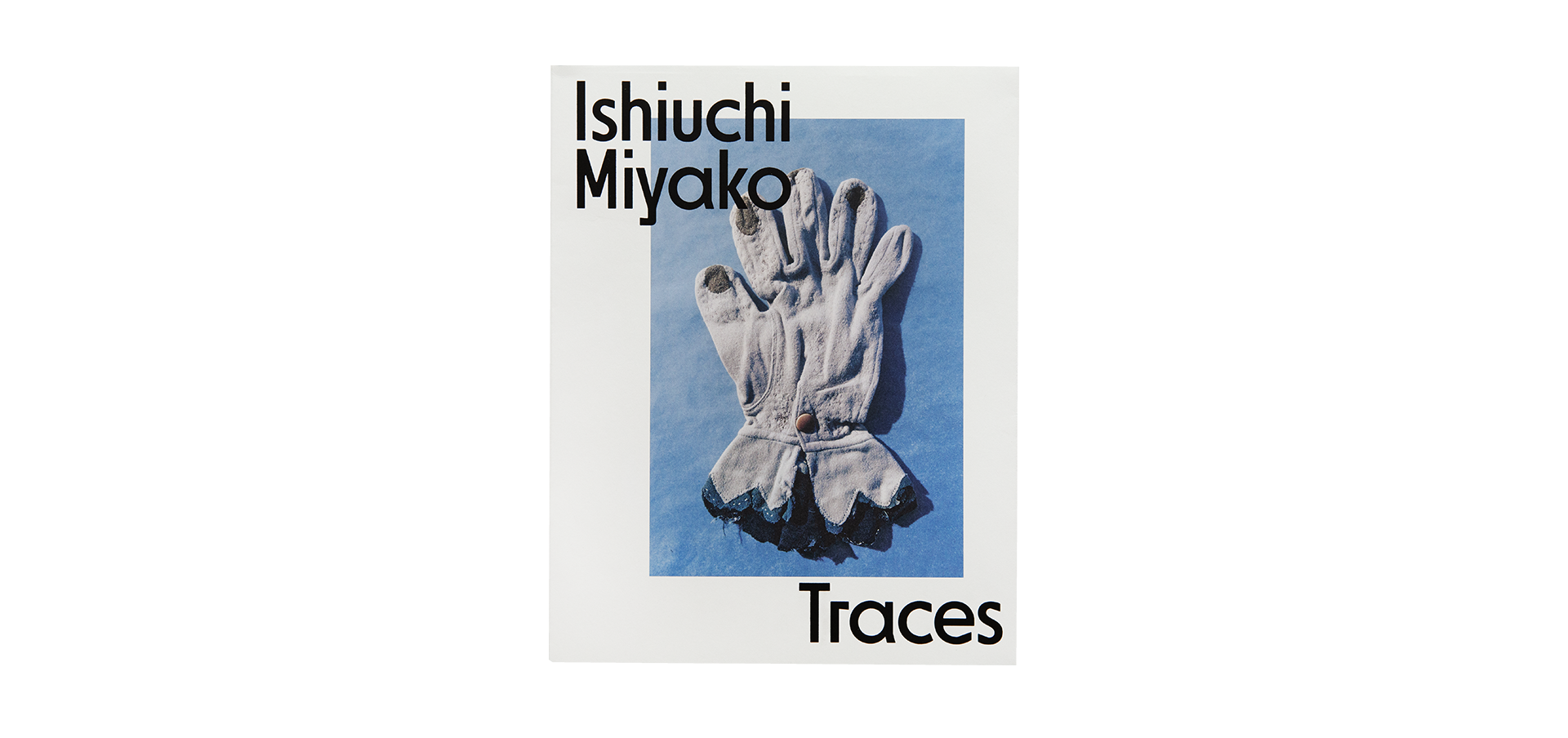
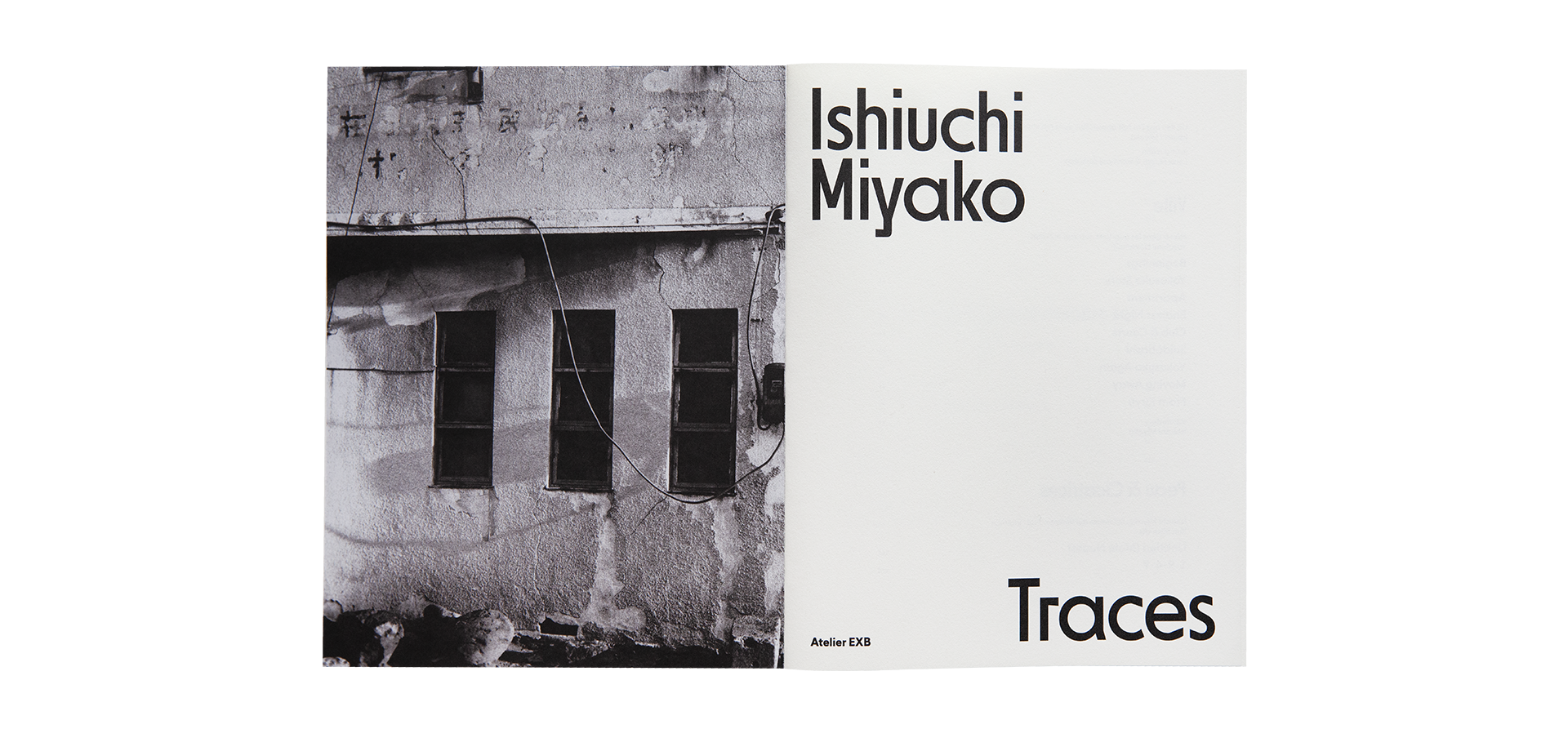
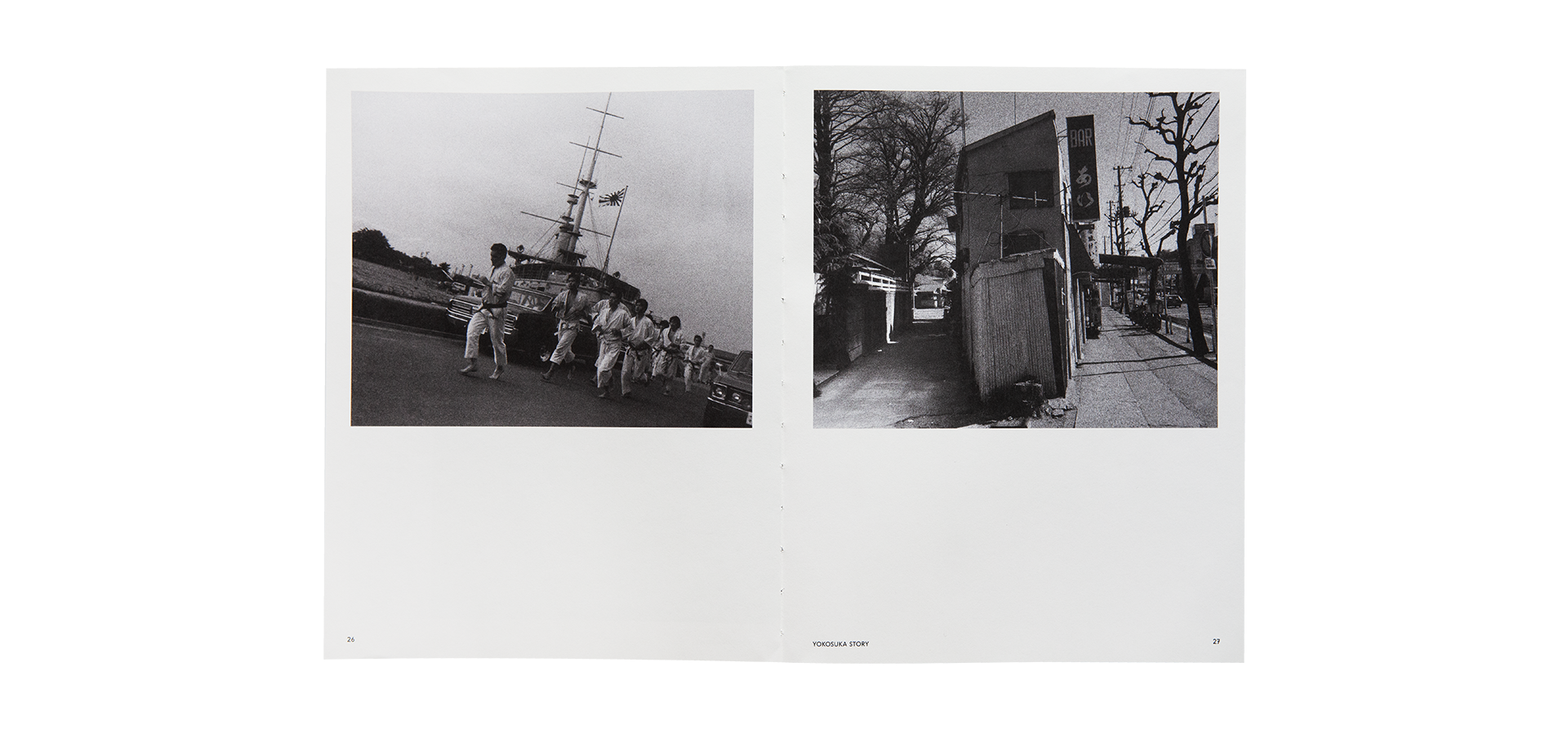
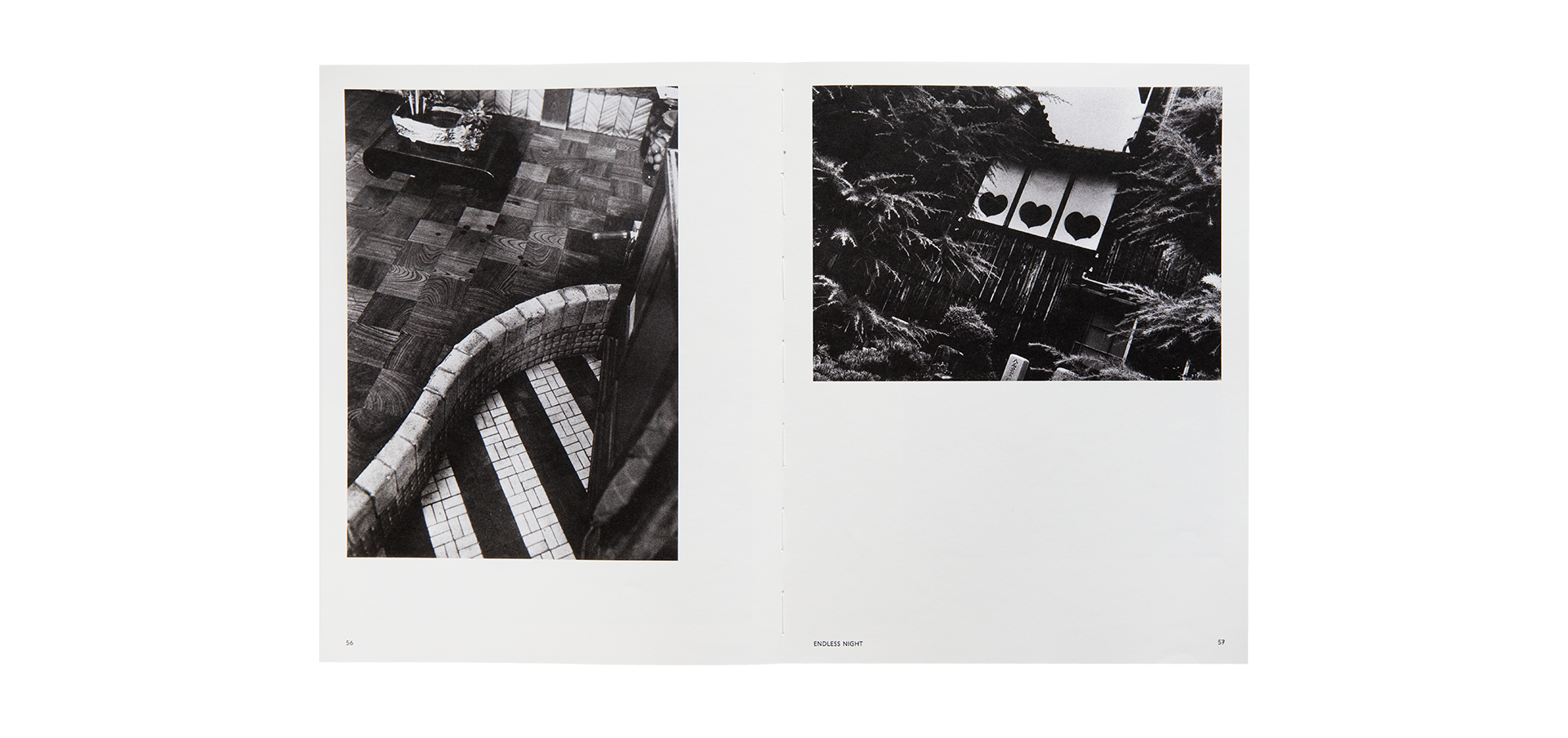
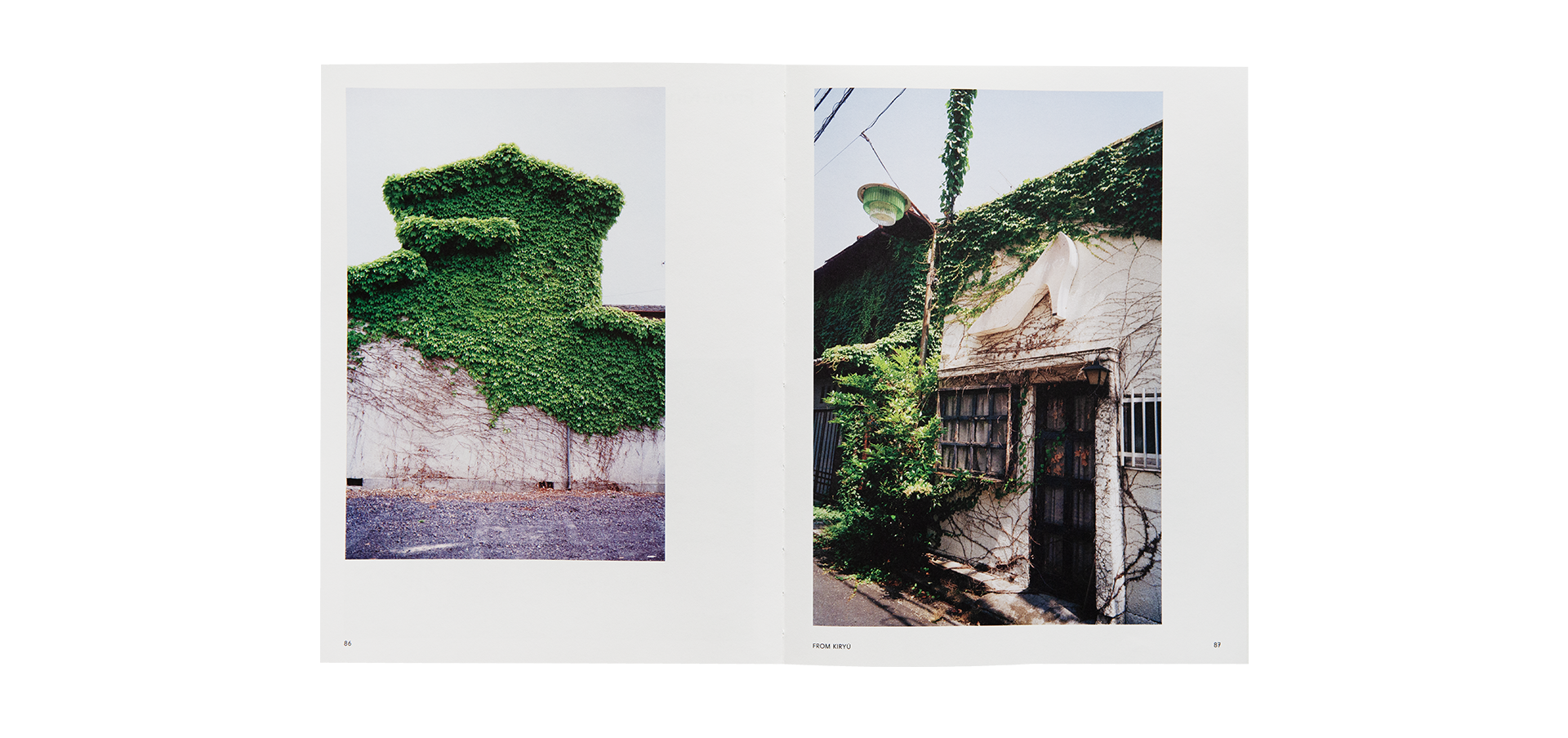
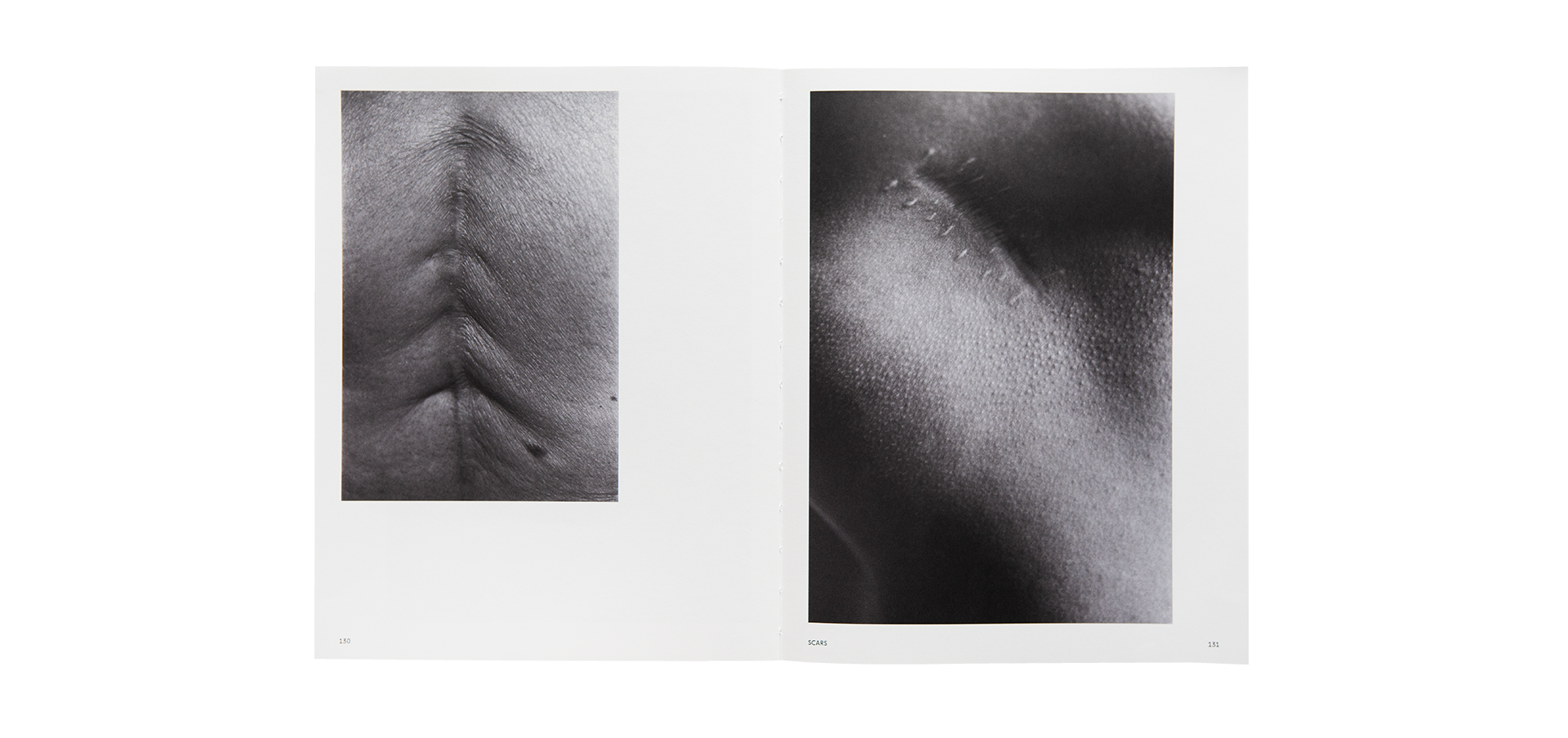
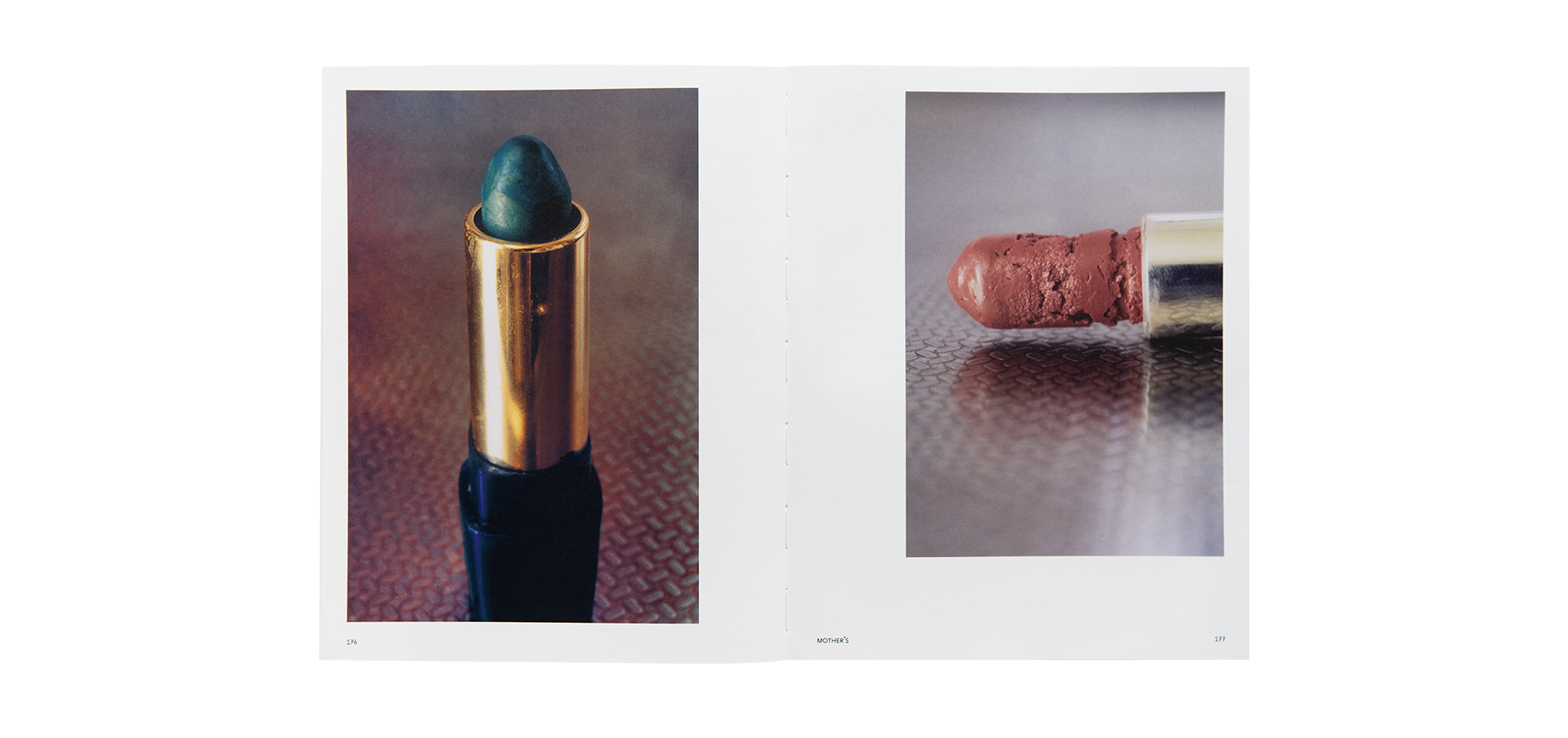
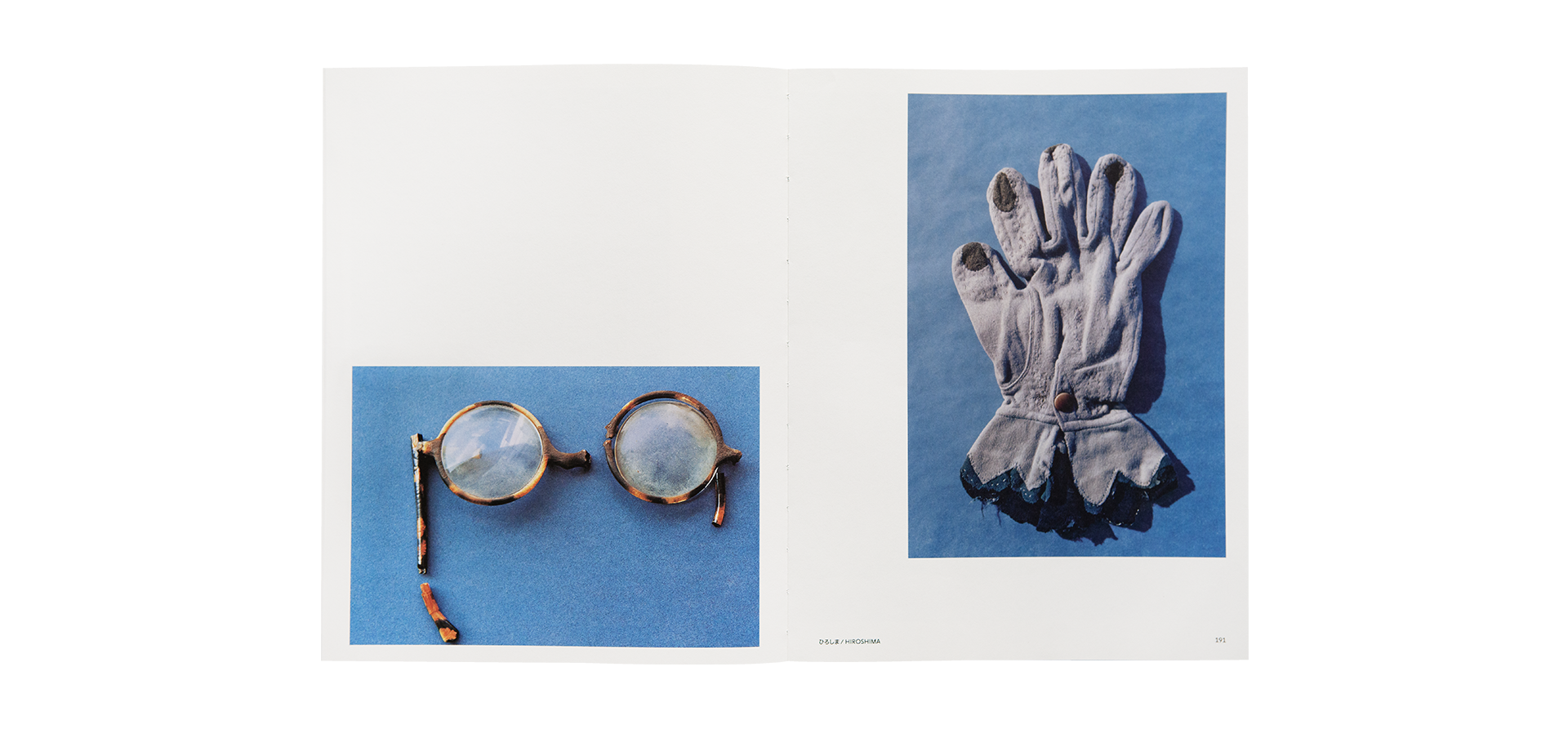
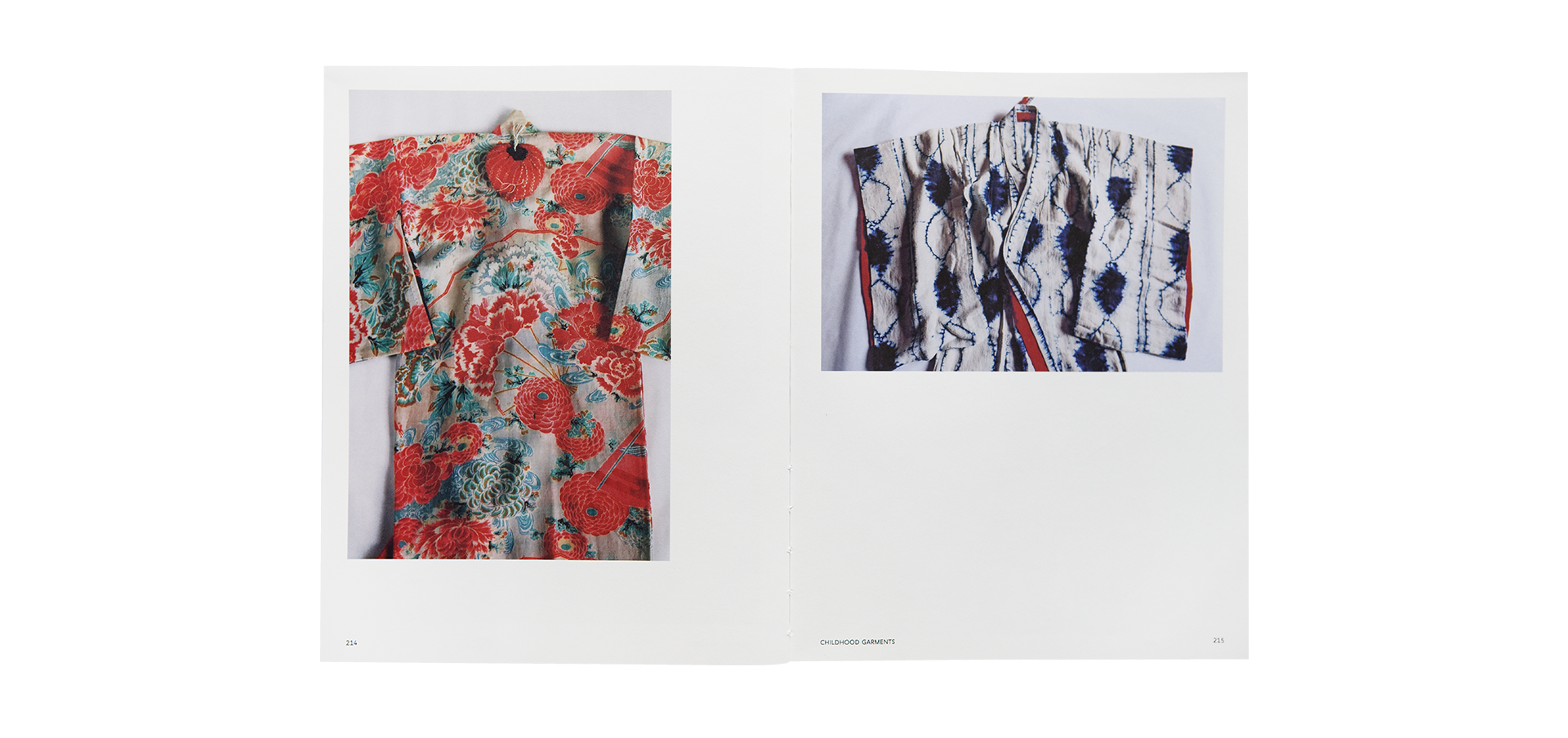
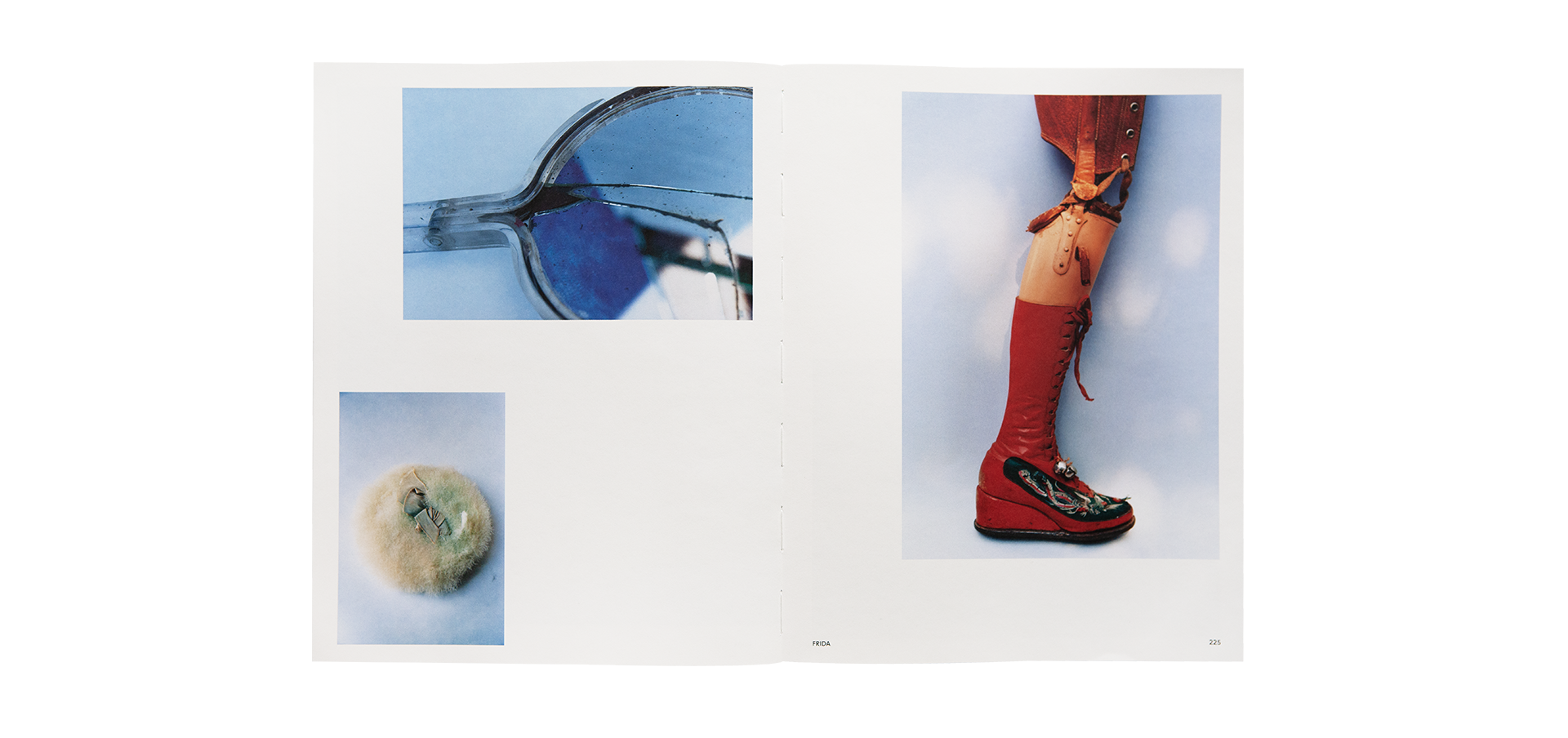

A leading figure in contemporary Japanese photography, Ishiuchi Miyako has spent the past five decades capturing, in her own words, “time, atmospheres, sounds, smells, and memories—all those things invisible to our eyes.” The dilapidated facades of buildings in Yokosuka, the city where she grew up; the scars on bruised skin; her mother’s personal belongings; and the radiation-damaged clothing from Hiroshima are all surfaces on which time has left its mark—and which Miyako brings to light through grain, texture, and the play of light. From one series to the next, she returns to the same obsessions: traces, absence, and what remains when people have disappeared.
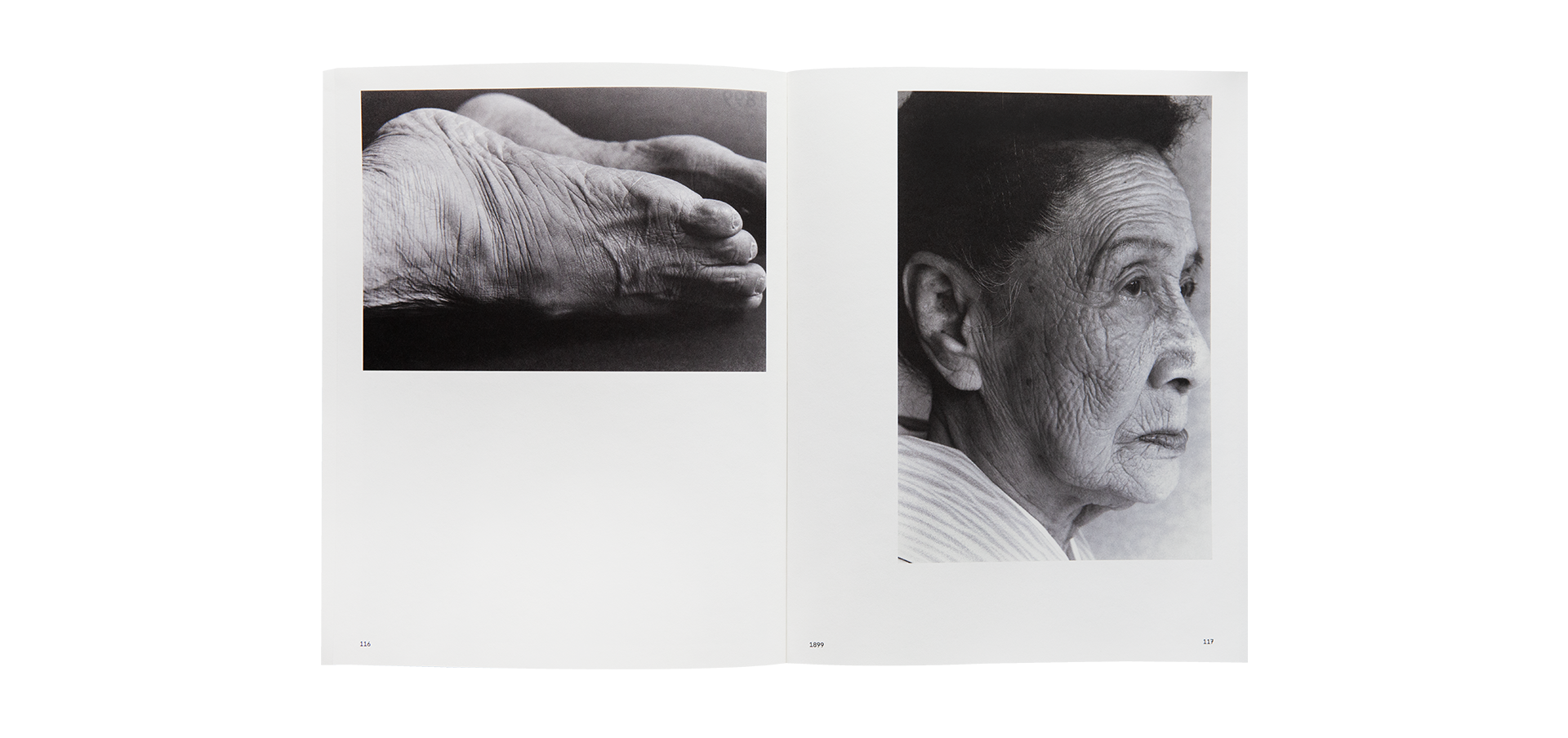
Self-taught, she honed her craft in her darkroom, and her approach—which does not claim to be documentary—is openly subjective, revealing the unique beauty of the material and ephemeral nature of things and existence. Her work is part of the collective history of postwar Japan, with its wounds and silences. The series “ ひろしま/ hiroshima,” in which Ishiuchi photographs the clothing and personal belongings of atomic bomb victims preserved at the Hiroshima Peace Memorial Museum, is the most direct example of this—but this dimension permeates her entire body of work, including the most intimate series such as “Mother’s ” or “Scars,” in which scars become landscapes and the skin a porous surface where time accumulates.
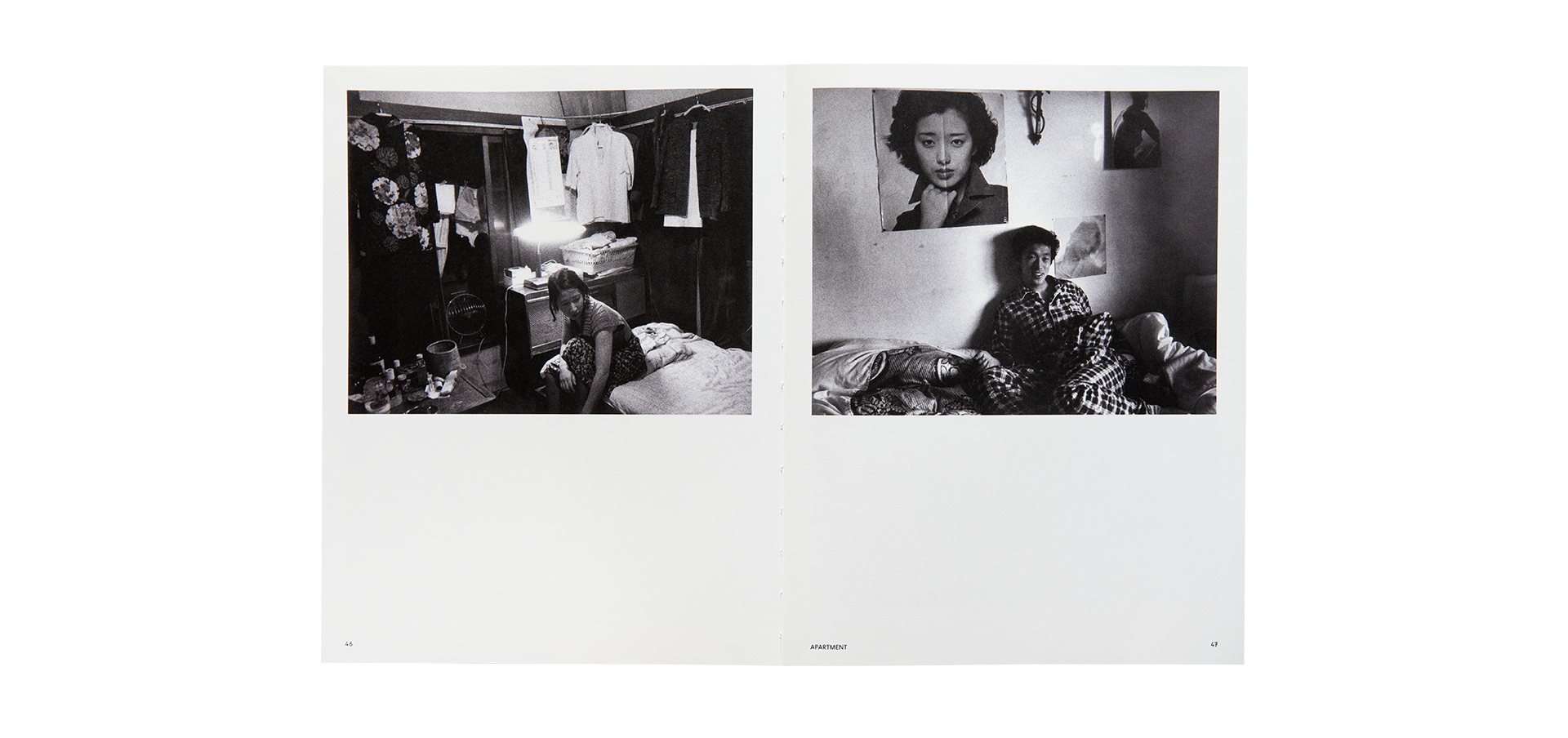
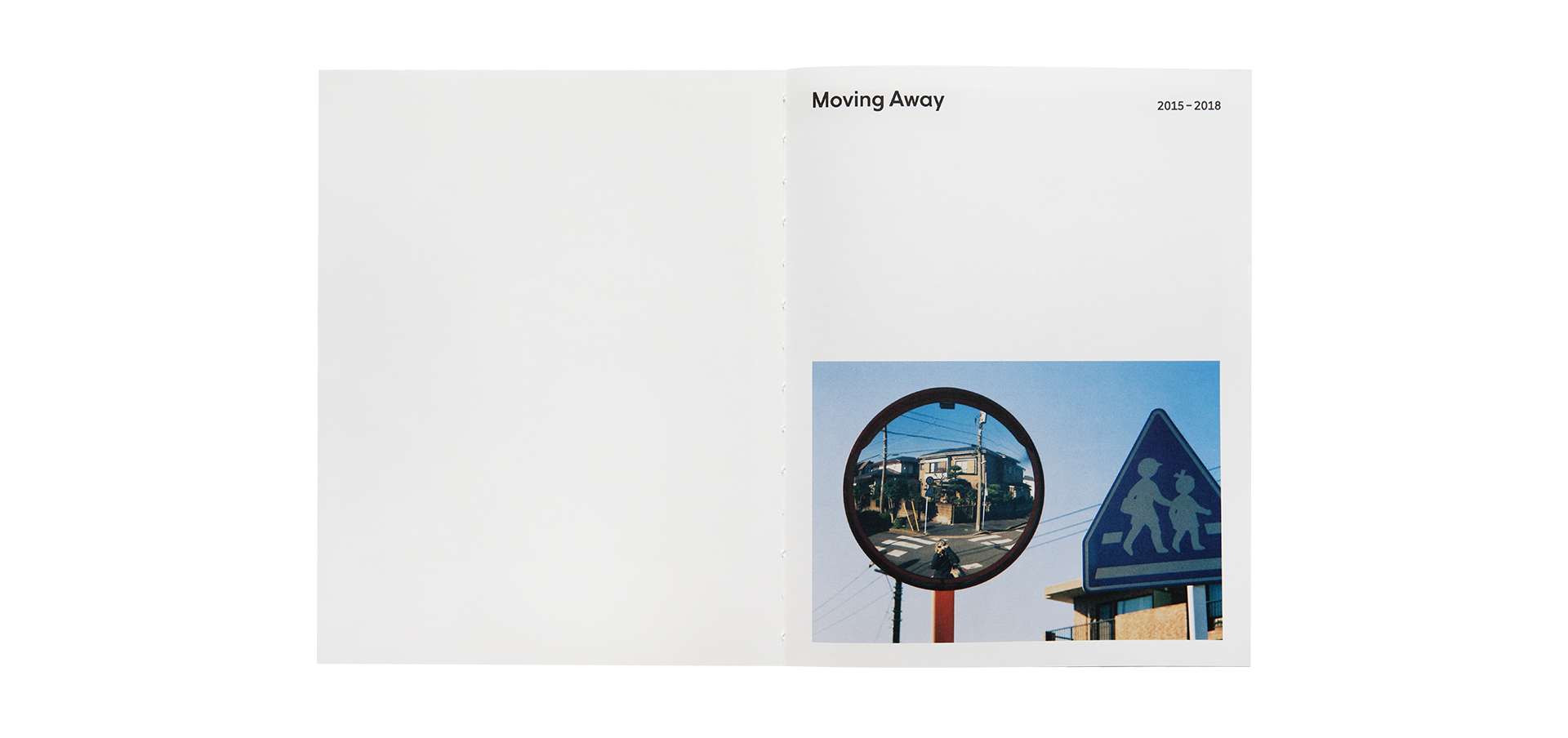
To coincide with the exhibition on view at the Maison européenne de la photographie from February 3 to April 25, 2026, this book presents the photographer’s entire career, organized into three chapters—“City,” “Skin & Scars,” and “The Things We Leave Behind”—that follow both the chronology of her work and the logic of the recurring themes that run through it. Edited by Lena Fritsch and Yasufumi Nakamori, with an essay by Yuri Mitsuda and a previously unpublished interview with the artist, it explores both the formal aspects of her work and the questions it raises about memory, mourning, femininity, and Japanese history, highlighting the unique place Miyako Ishiuchi occupies in the history of the medium.
A leading figure in contemporary Japanese photography, Ishiuchi Miyako has spent the past five decades capturing, in her own words, “time, atmospheres, sounds, smells, and memories—all those things invisible to our eyes.” The dilapidated facades of buildings in Yokosuka, the city where she grew up; the scars on bruised skin; her mother’s personal belongings; and the radiation-damaged clothing from Hiroshima are all surfaces on which time has left its mark—and which Miyako brings to light through grain, texture, and the play of light. From one series to the next, she returns to the same obsessions: traces, absence, and what remains when people have disappeared.
Self-taught, she honed her craft in her darkroom, and her approach—which does not claim to be documentary—is openly subjective, revealing the unique beauty of the material and ephemeral nature of things and existence. Her work is part of the collective history of postwar Japan, with its wounds and silences. The series “ ひろしま/ hiroshima,” in which Ishiuchi photographs the clothing and personal belongings of atomic bomb victims preserved at the Hiroshima Peace Memorial Museum, is the most direct example of this—but this dimension permeates her entire body of work, including the most intimate series such as “Mother’s ” or “Scars,” in which scars become landscapes and the skin a porous surface where time accumulates.
To coincide with the exhibition on view at the Maison européenne de la photographie from February 3 to April 25, 2026, this book presents the photographer’s entire career, organized into three chapters—“City,” “Skin & Scars,” and “The Things We Leave Behind”—that follow both the chronology of her work and the logic of the recurring themes that run through it. Edited by Lena Fritsch and Yasufumi Nakamori, with an essay by Yuri Mitsuda and a previously unpublished interview with the artist, it explores both the formal aspects of her work and the questions it raises about memory, mourning, femininity, and Japanese history, highlighting the unique place Miyako Ishiuchi occupies in the history of the medium.
Softcover with a dust jacket,
21,5 x 27,5 cm
260 pages
160 colour and B&W photographs
Photographs
Ishiuchi Miyako
Texts
Lena Fritsch, curator at Ashmolean Museum, Oxford
Yuri Mitsuda, art critic and director of Tama Art University Art Archives Center
Ishiuchi Miyako
Yasufumi Nakamori, curator
Exhibition
Ishiuchi Miyako. Textures du temps
February 3 – April 25, 2027
Maison européenne de la photographie, Paris
Link to the video bookflip
 you may also like

 see the whole catalog