


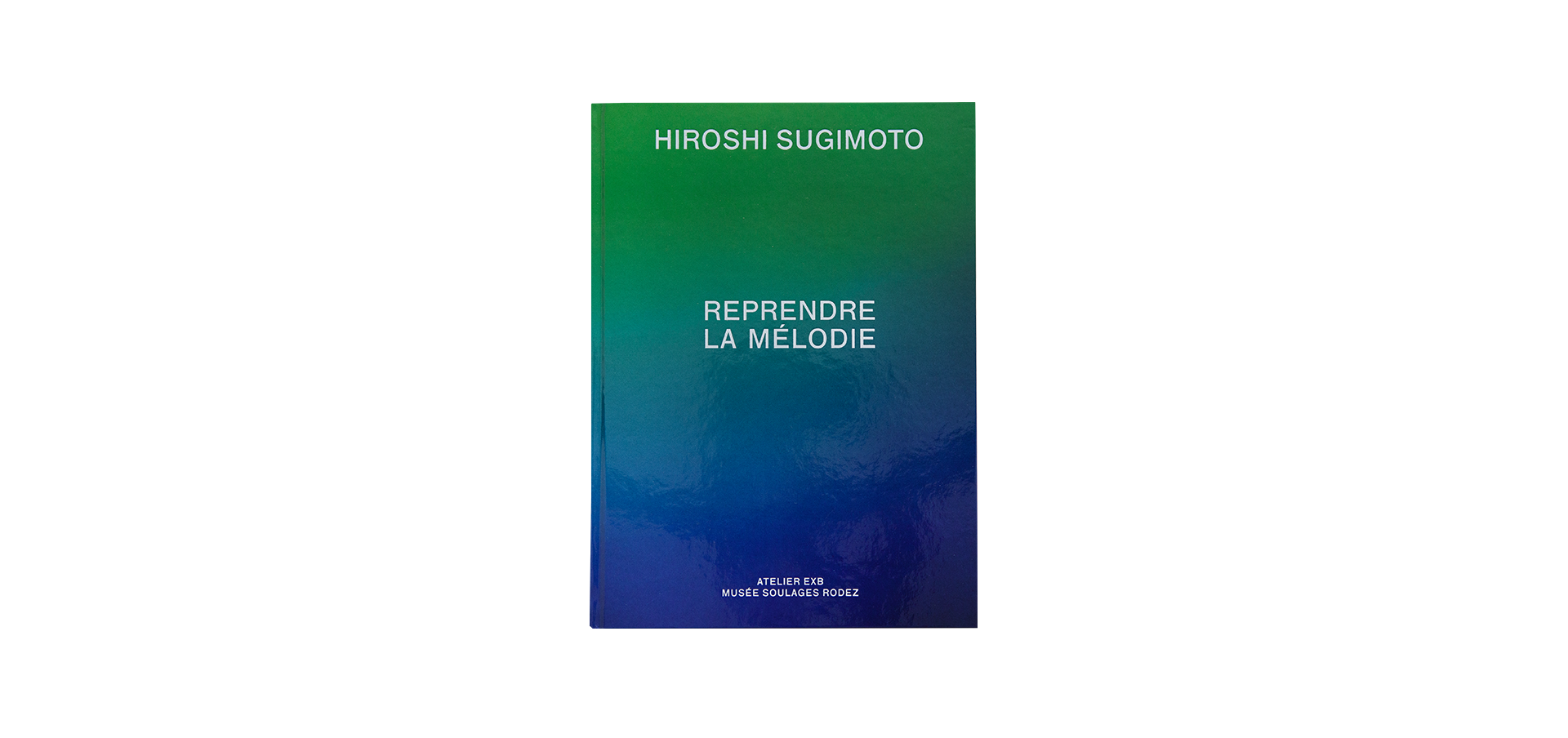
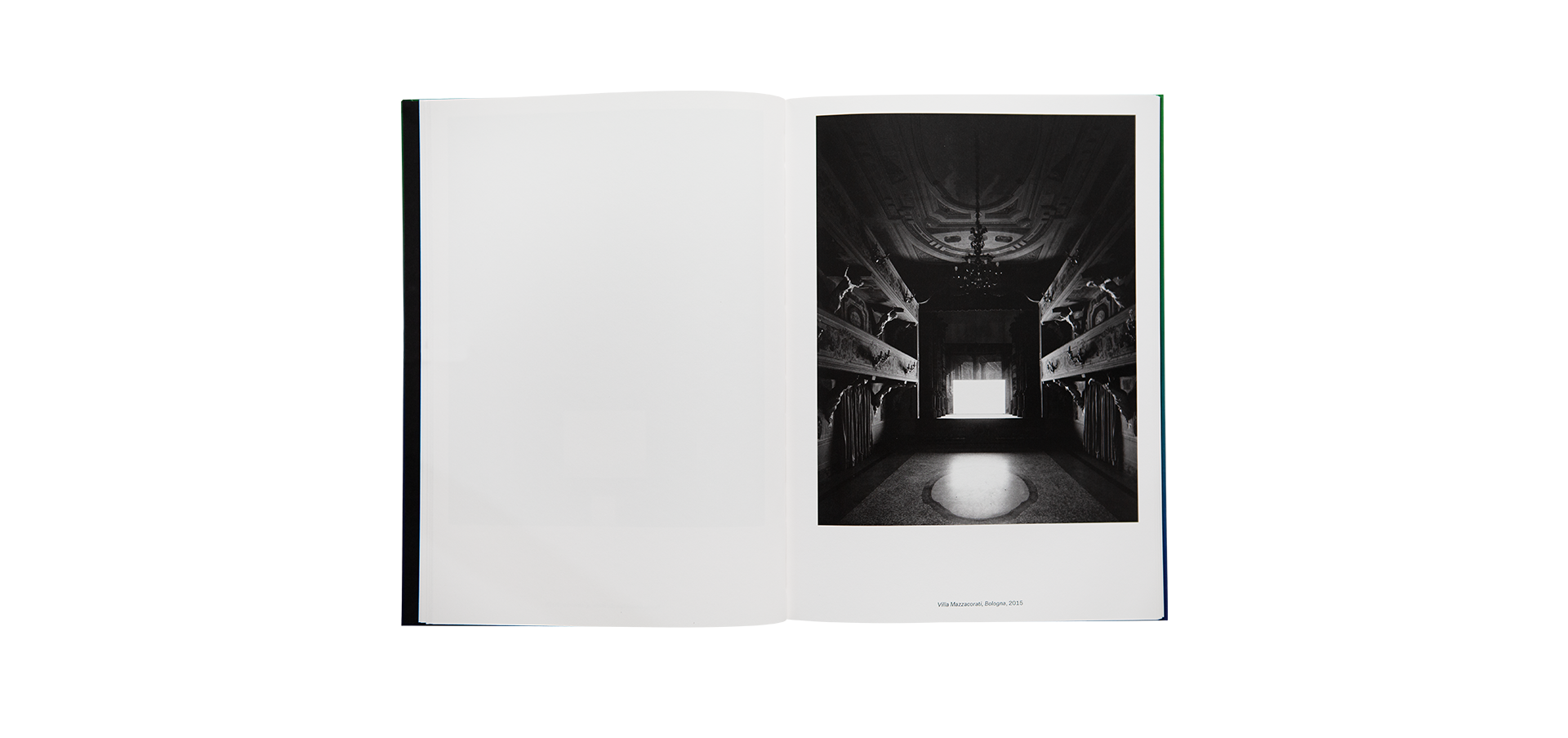
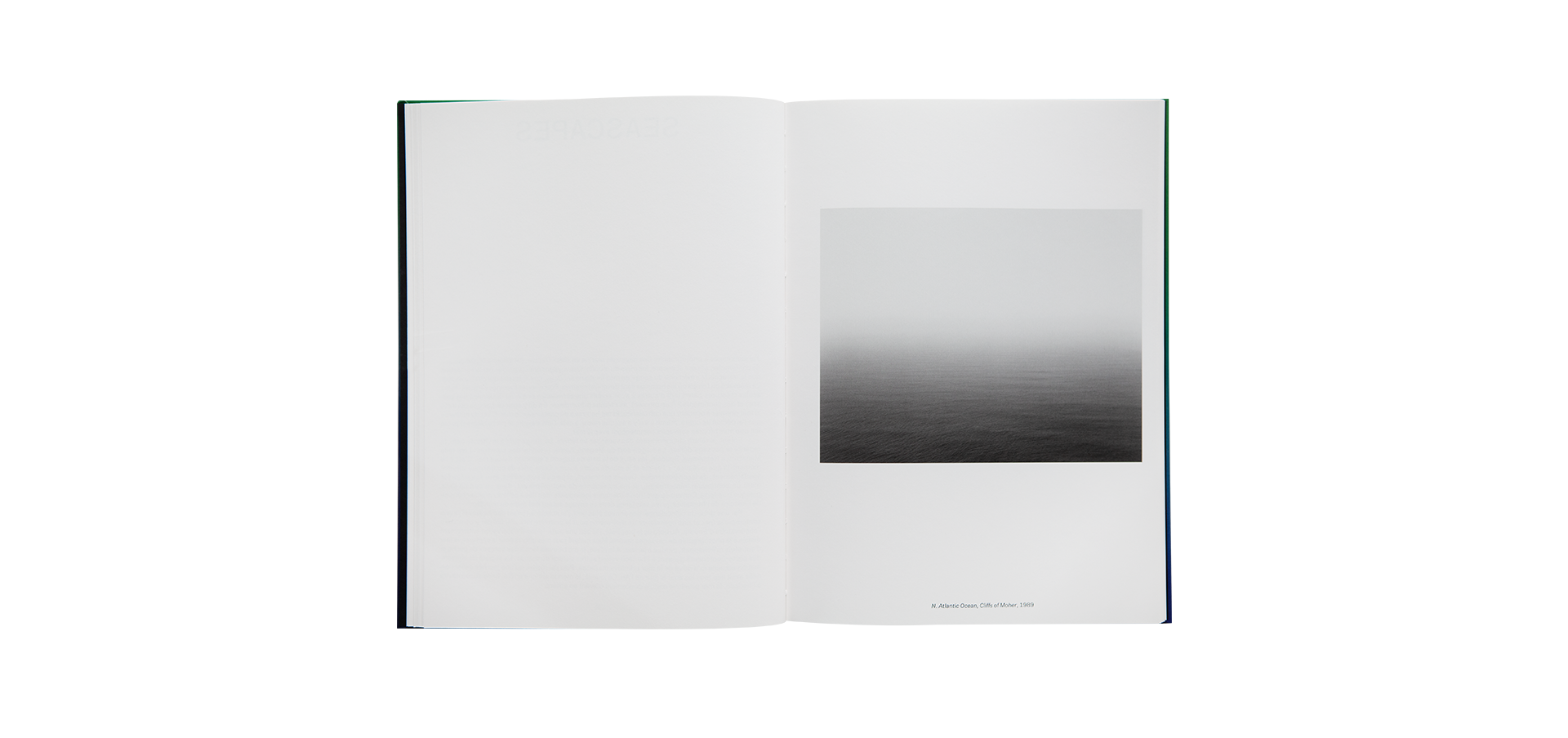
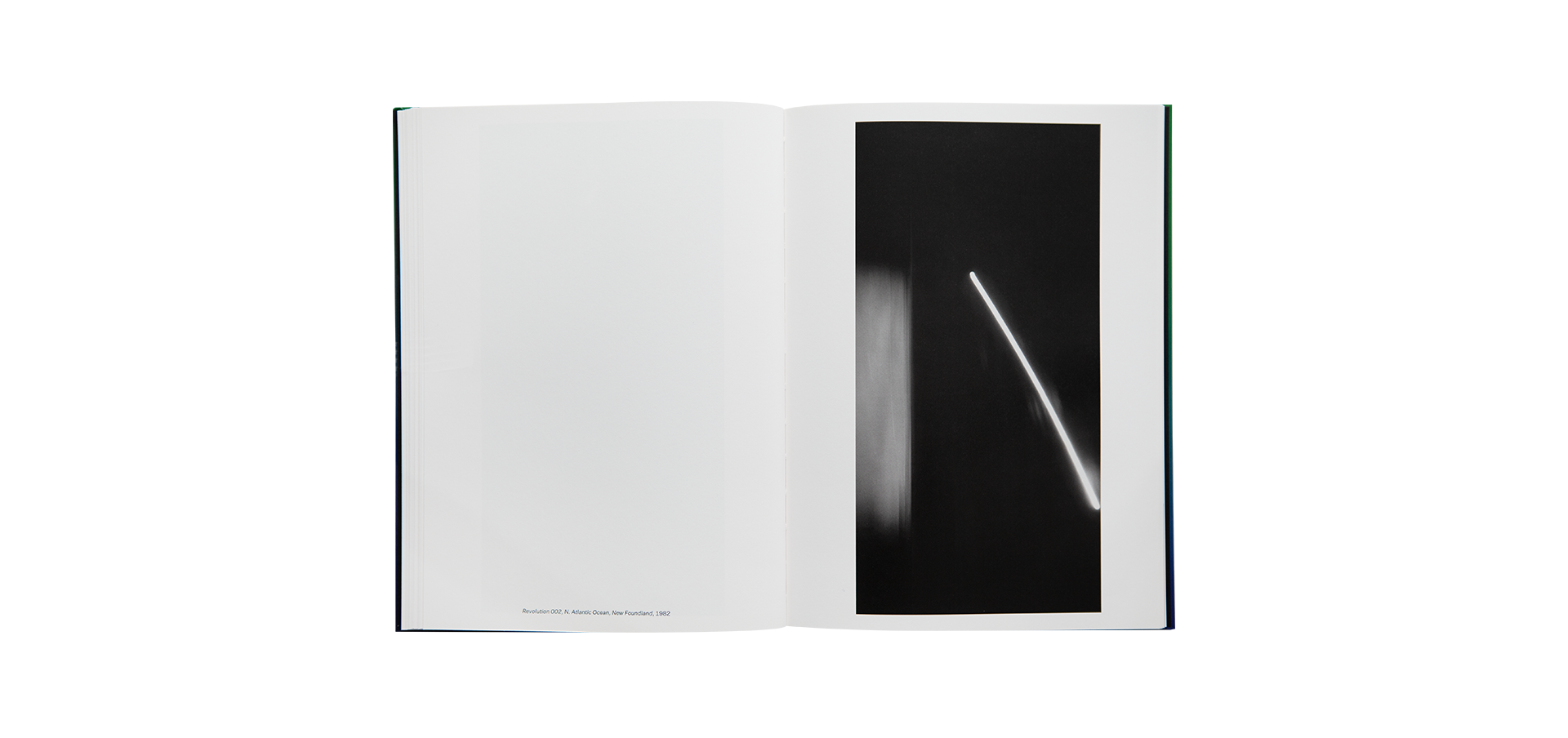
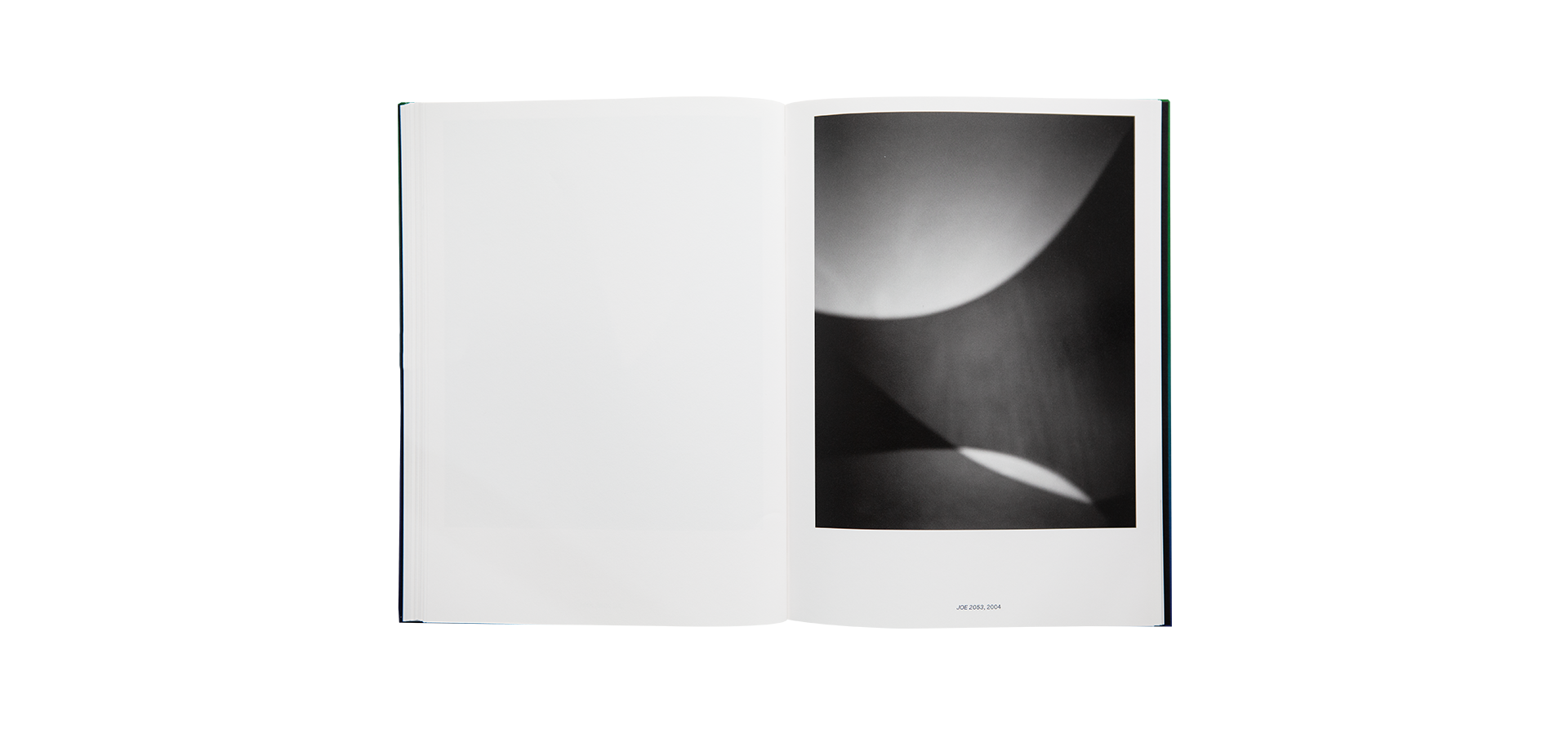

A leading figure in contemporary photography, Hiroshi Sugimoto continually explores our relationship with time and perception through his photographic practice. The solo exhibition dedicated to him at the Soulages Museum in Rodez, from April 11 to September 13, 2026, engages his photographs in a dialogue not only with the building’s unique architecture but also with the work of Pierre Soulages, exploring shared themes: light, the primacy of black, and the horizon as a spatial and metaphysical structure.
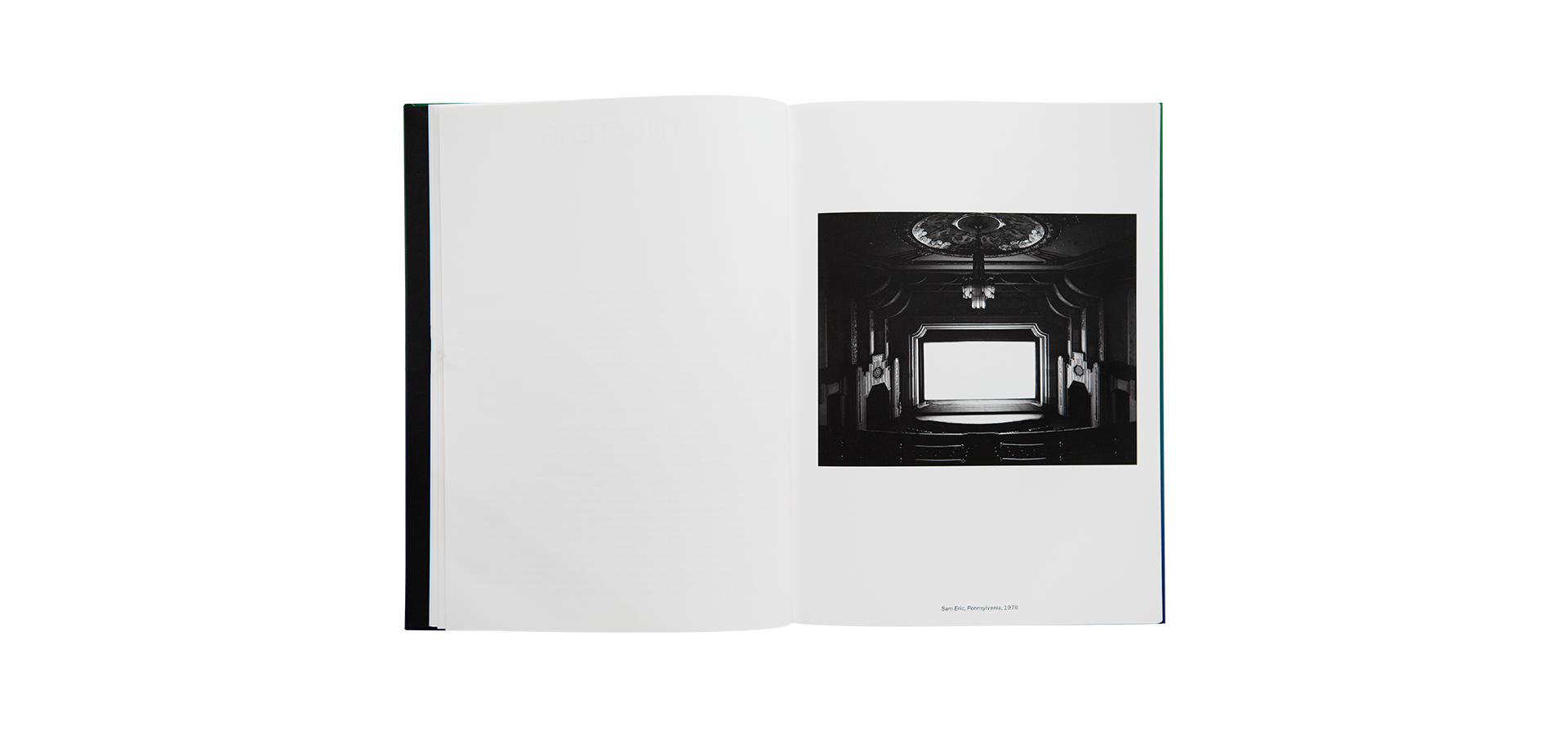
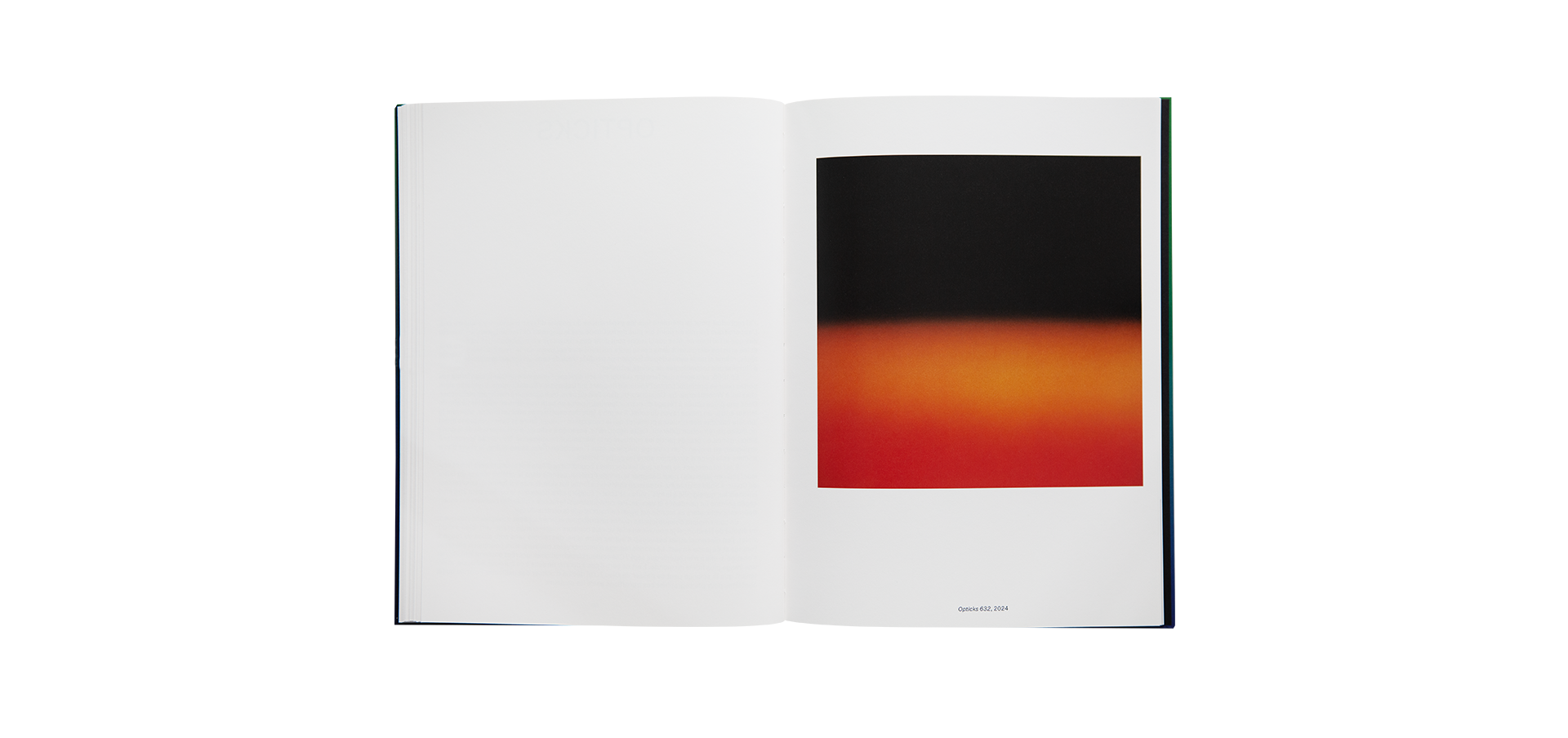
The book Taking up the Melody, which accompanies the eponymous exhibition, explores Sugimoto’s work through the concept of honka-dori, borrowed from classical Japanese poetry, which refers to the act of revisiting a previous work in order to shift its meaning and revitalize its significance. This principle of reworking allows Sugimoto’s entire body of work to be viewed as a system of variations, where each image is constructed in a conscious relationship to preexisting forms and knowledge: the accumulation of time until the image fades (in the “Theaters” series), the reduction of the landscape to an abstract and ahistorical structure (in the seascapes of “Seascapes”), and the exploration of optical phenomena and the limits of vision (“Opticks”).
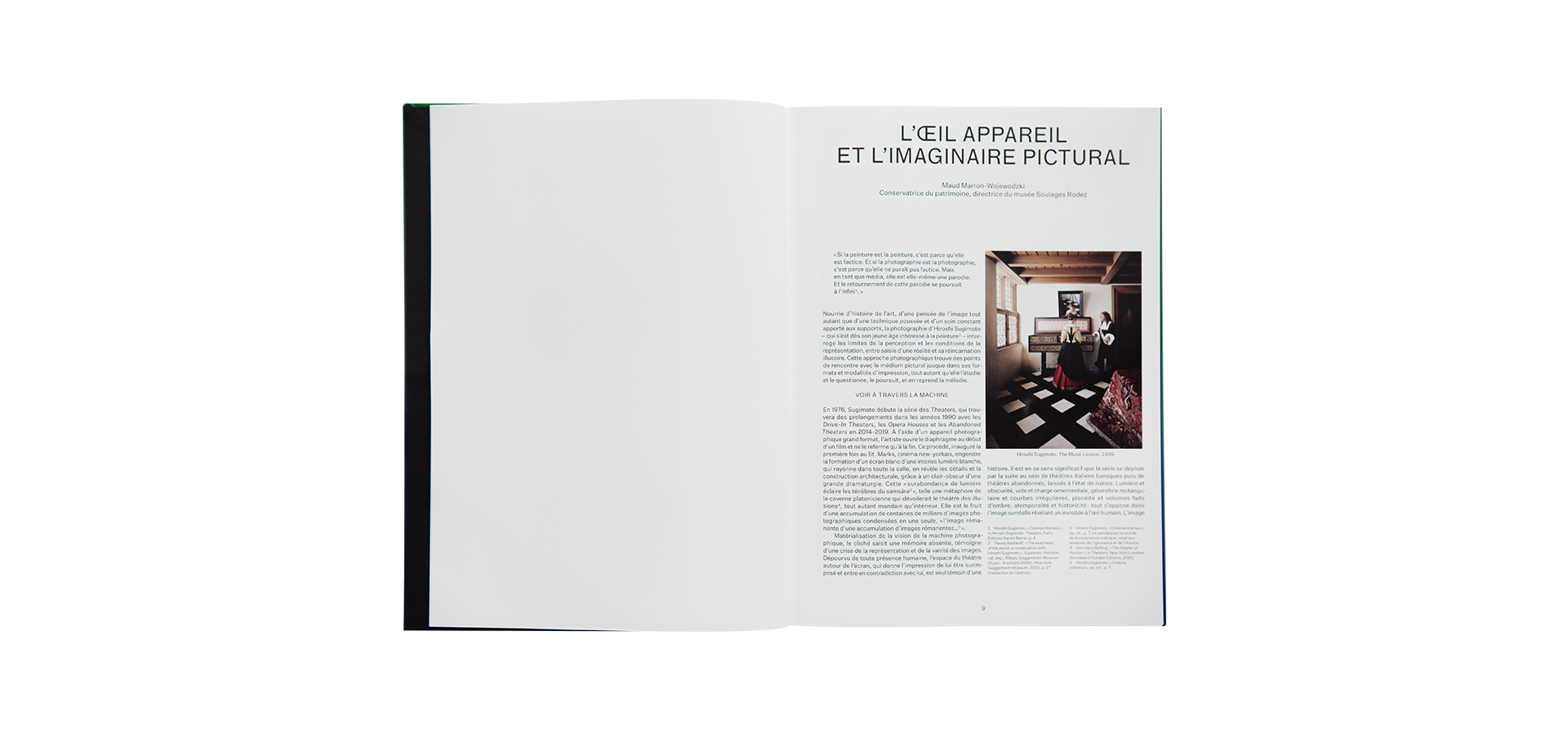
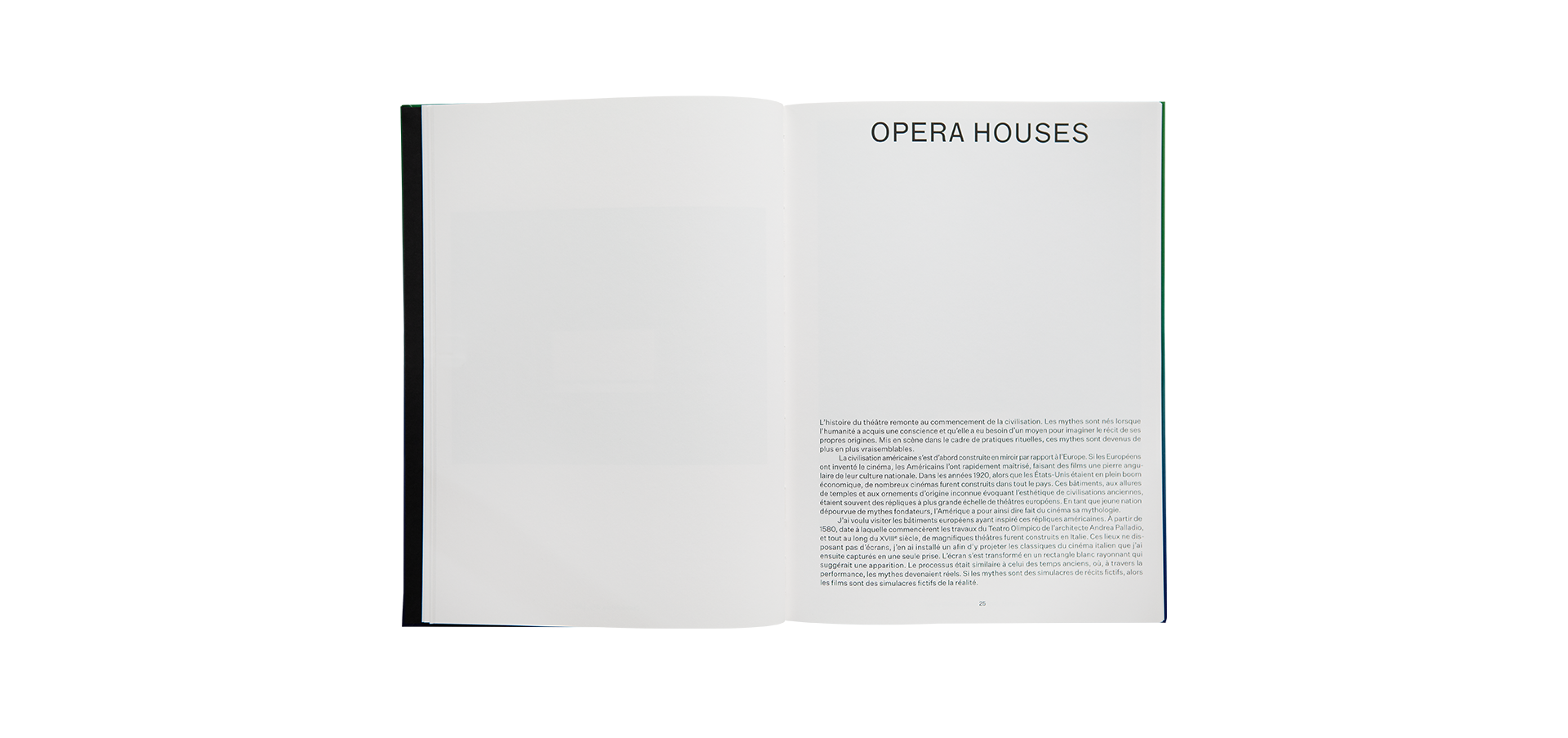
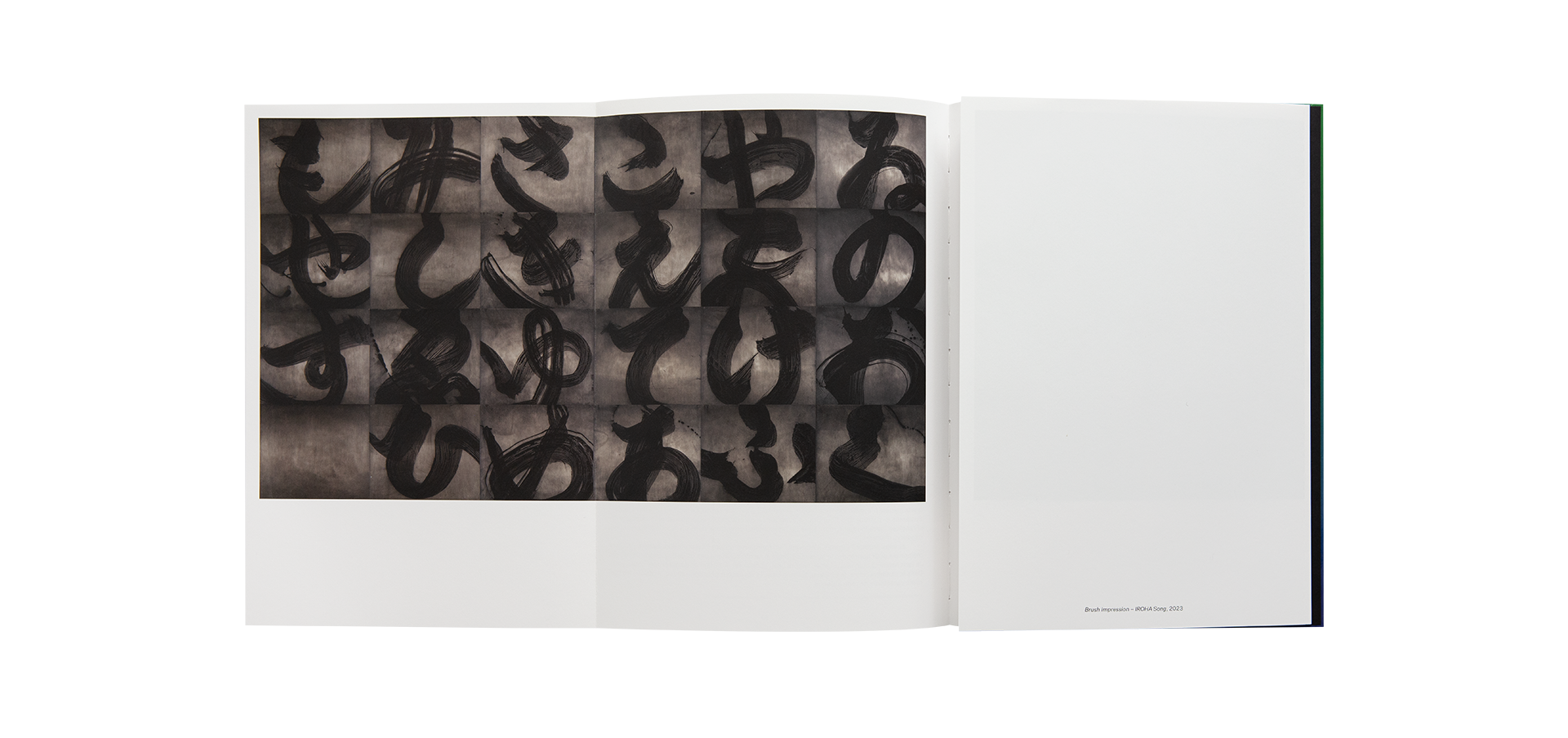
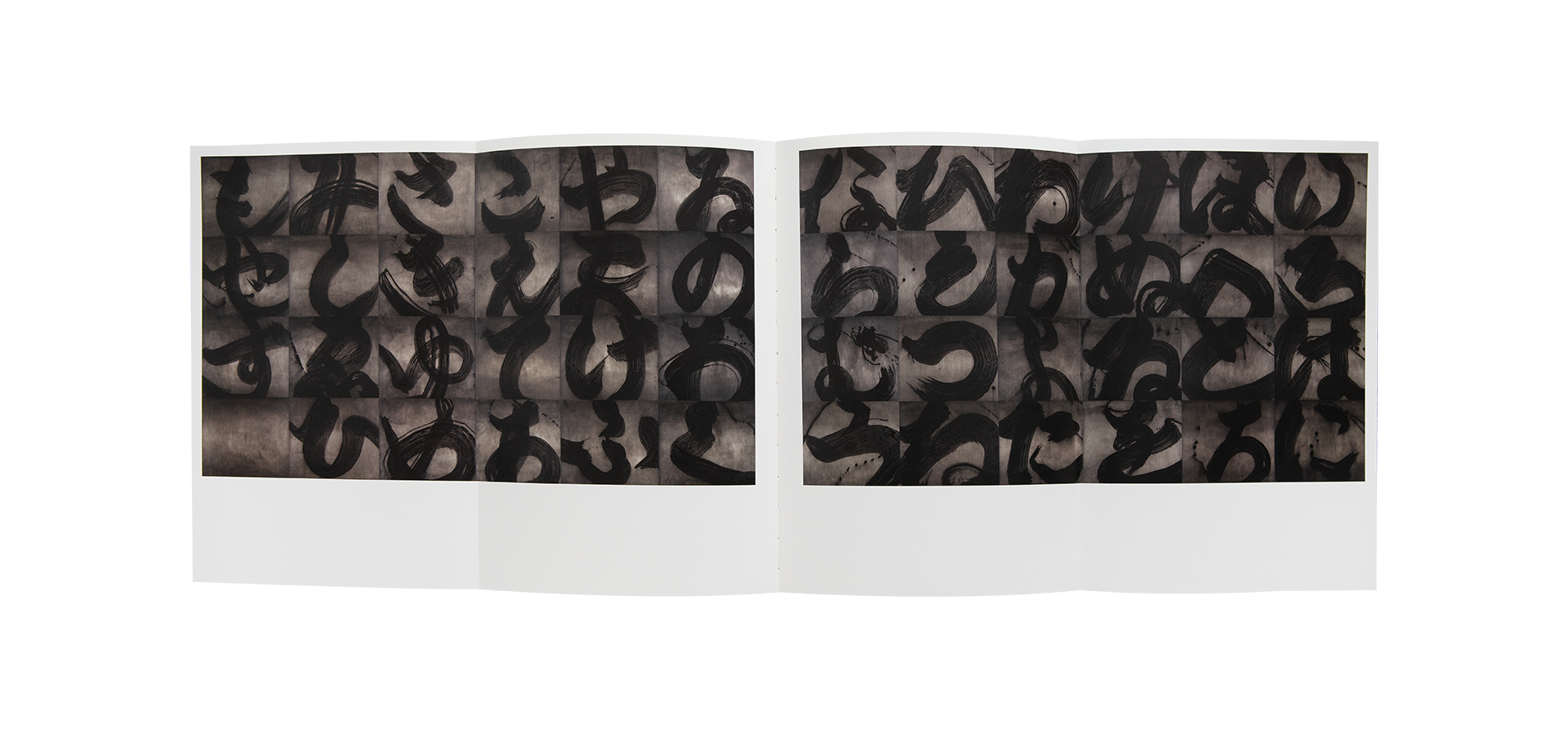
Taking up the Melody brings together iconic series—“Theaters,” “Opera Houses,” “Seascapes”—and more recent ones, such as “Brush Impression,” in which the artist moves away from photography to explore the calligraphic gesture through a polyptych of forty-eight drawings. These series are analyzed in two essays—written by Maud Marron-Wojewodzki, director of the Soulages Museum, and art historian Céline Flécheux—that explore how Sugimoto uses photography as a reflective medium. Here, the image appears less as the trace of a pre-existing reality than as a mental construction, in which time—conceived as accumulation, duration, or exhaustion—becomes a material in its own right.
A leading figure in contemporary photography, Hiroshi Sugimoto continually explores our relationship with time and perception through his photographic practice. The solo exhibition dedicated to him at the Soulages Museum in Rodez, from April 11 to September 13, 2026, engages his photographs in a dialogue not only with the building’s unique architecture but also with the work of Pierre Soulages, exploring shared themes: light, the primacy of black, and the horizon as a spatial and metaphysical structure.
The book Taking up the Melody, which accompanies the eponymous exhibition, explores Sugimoto’s work through the concept of honka-dori, borrowed from classical Japanese poetry, which refers to the act of revisiting a previous work in order to shift its meaning and revitalize its significance. This principle of reworking allows Sugimoto’s entire body of work to be viewed as a system of variations, where each image is constructed in a conscious relationship to preexisting forms and knowledge: the accumulation of time until the image fades (in the “Theaters” series), the reduction of the landscape to an abstract and ahistorical structure (in the seascapes of “Seascapes”), and the exploration of optical phenomena and the limits of vision (“Opticks”).
Taking up the Melody brings together iconic series—“Theaters,” “Opera Houses,” “Seascapes”—and more recent ones, such as “Brush Impression,” in which the artist moves away from photography to explore the calligraphic gesture through a polyptych of forty-eight drawings. These series are analyzed in two essays—written by Maud Marron-Wojewodzki, director of the Soulages Museum, and art historian Céline Flécheux—that explore how Sugimoto uses photography as a reflective medium. Here, the image appears less as the trace of a pre-existing reality than as a mental construction, in which time—conceived as accumulation, duration, or exhaustion—becomes a material in its own right.
Two versions: English and French
Hardcover, 20,5 x 28 cm
104 pages,
including an 8-page brochure
50 color and B&W images
Photographs
Hiroshi Sugimoto
Texts
- Maud Marron-Wojewodzki, Heritage Curator,
Director of the Soulages Museum in Rodez
- Céline Flécheux,
Professor of Aesthetics at Paris 8 University
Exhibition
Hiroshi Sugimoto. Taking up the melody.
11 avril - 13 septembre 2026
Link to the video bookflip
ISBN : 978-2-36511-475-2
 you may also like

 see the whole catalog