


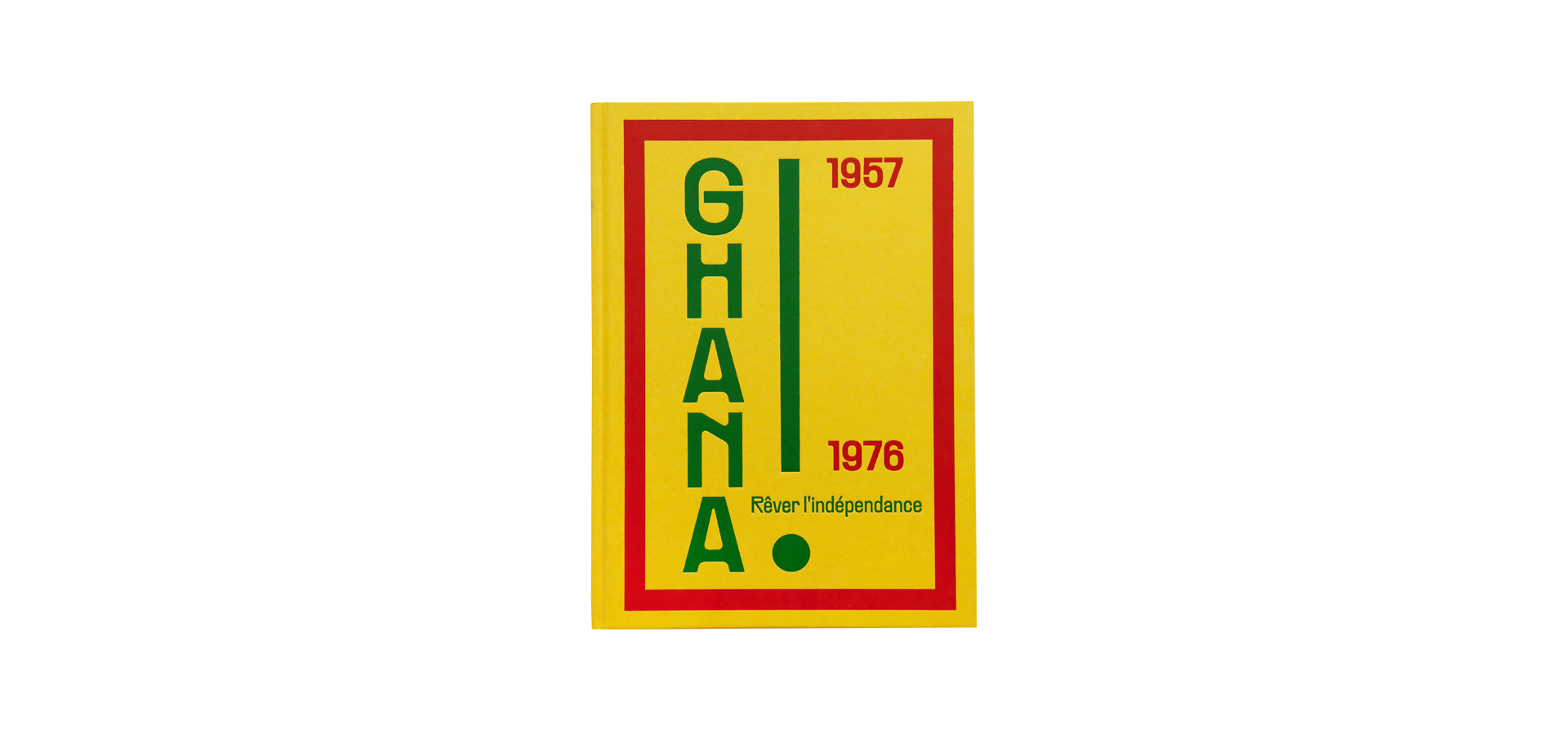

After more than a century under British rule, Ghana—formerly the Gold Coast—celebrated its independence on March 6, 1957, driven by the determination of Ghanaian political groups, particularly Kwame Nkrumah, who would become the country’s first president in 1960. As a pioneer of the Pan-Africanist movement, the country thus paved the way for the rest of sub-Saharan Africa toward political emancipation. At the dawn of this new freedom, complex times lay ahead, as Ghana had to simultaneously build the structures of its state, strengthen its political authority amid the Cold War, and forge a national identity.
Among the many economic, social, and political challenges, the reshaping of a distinct cultural and intellectual identity lay at the heart of Ghana’s emancipation project. Music, theater, dance, literature, and the visual arts contributed to this momentum by sensitively extending this recent experience of freedom.
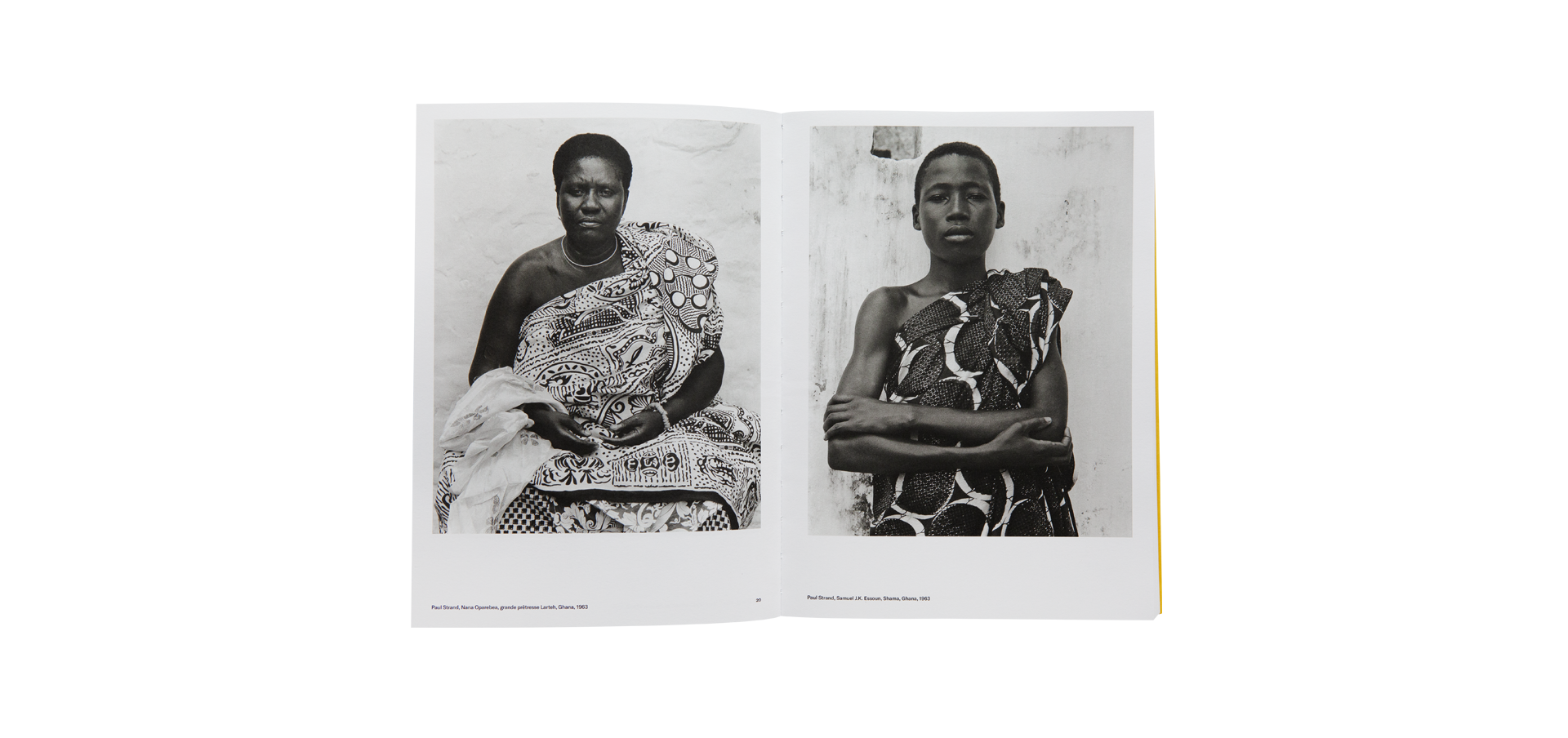
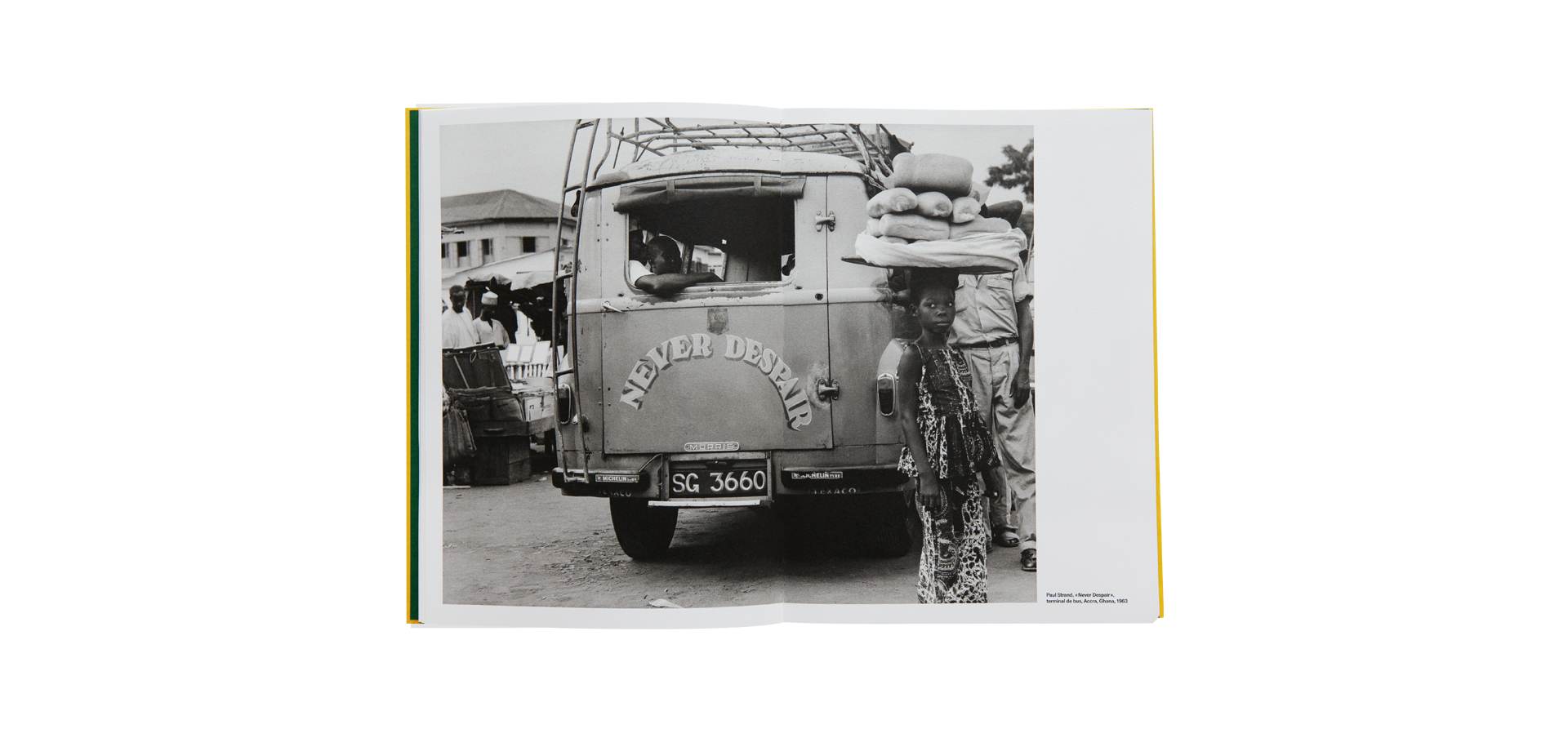
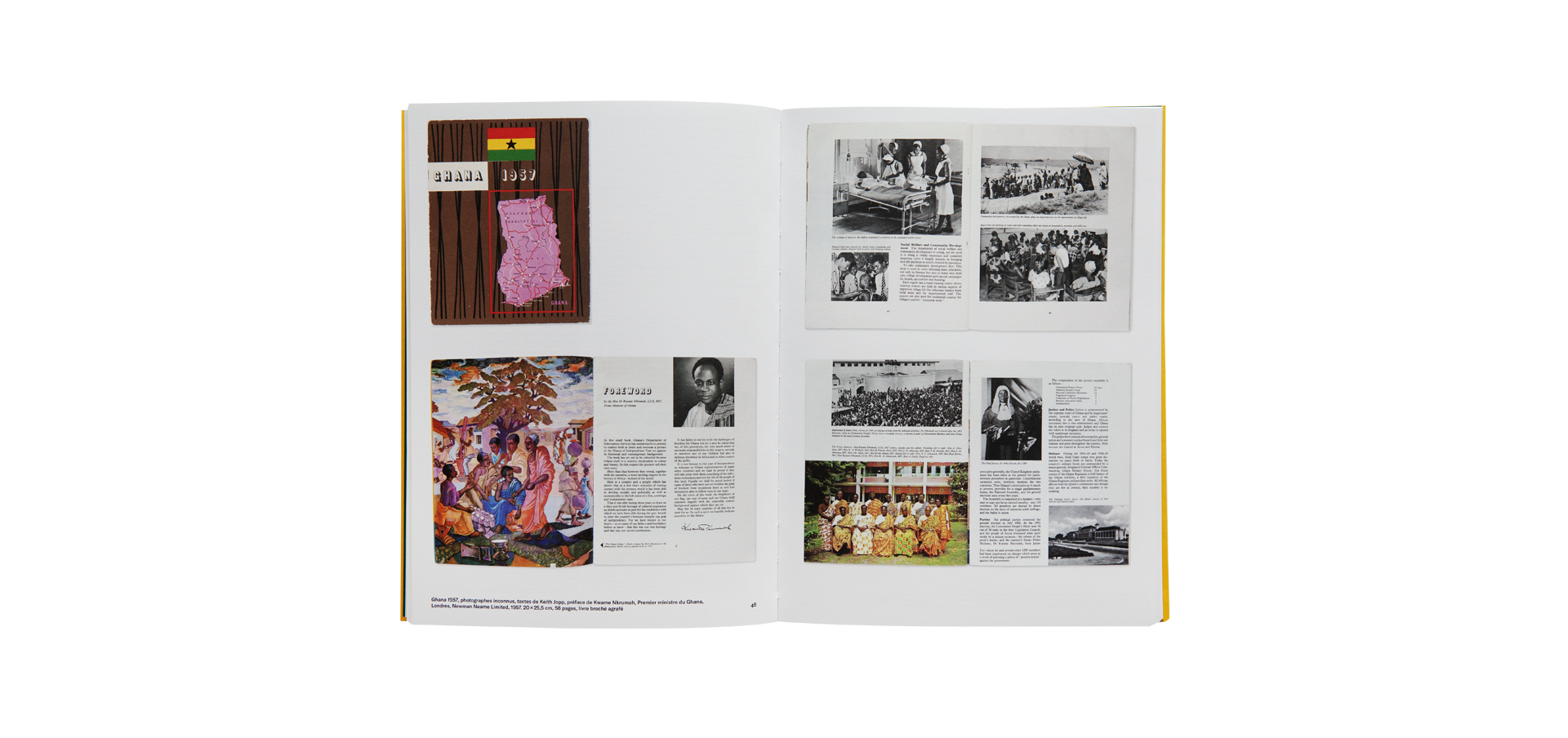
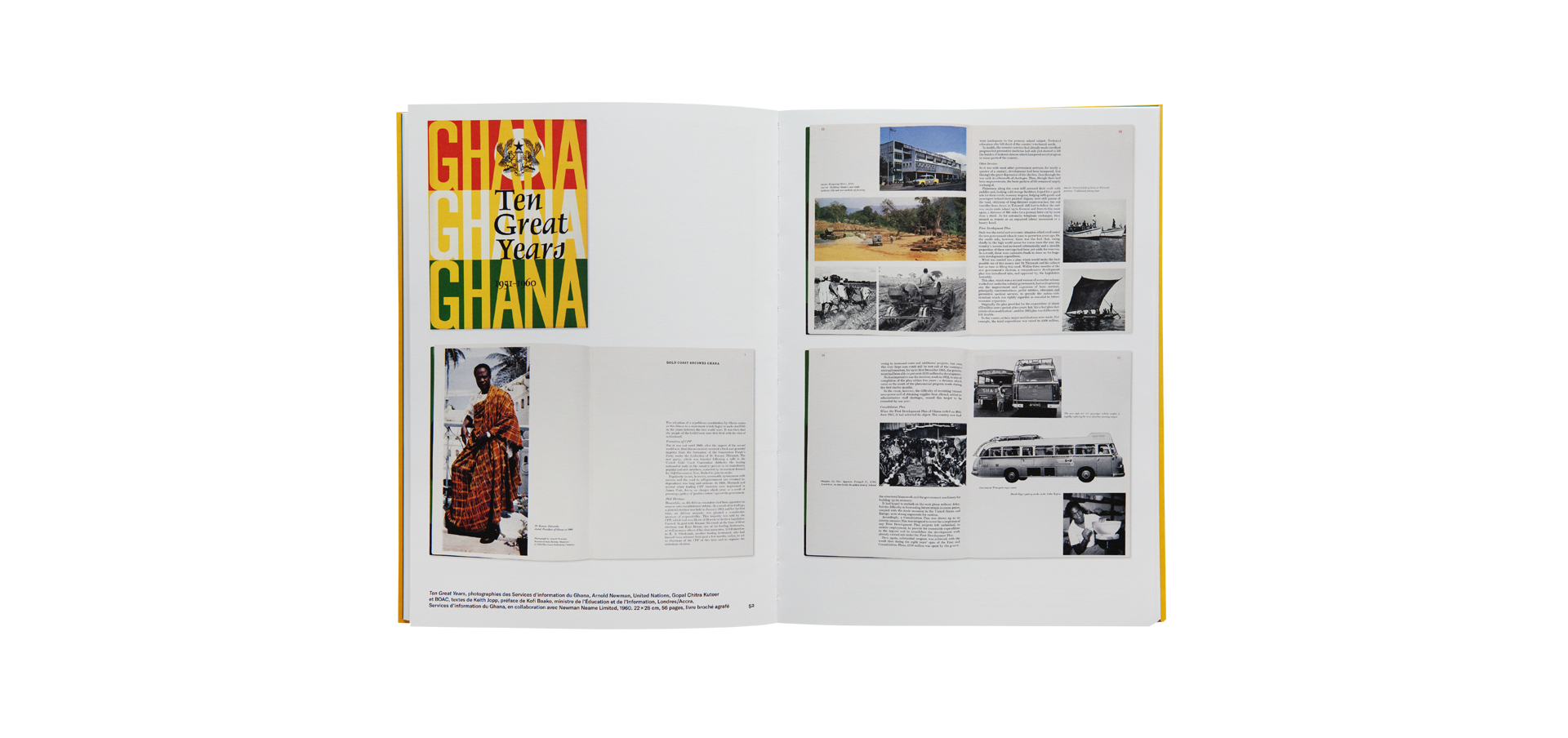
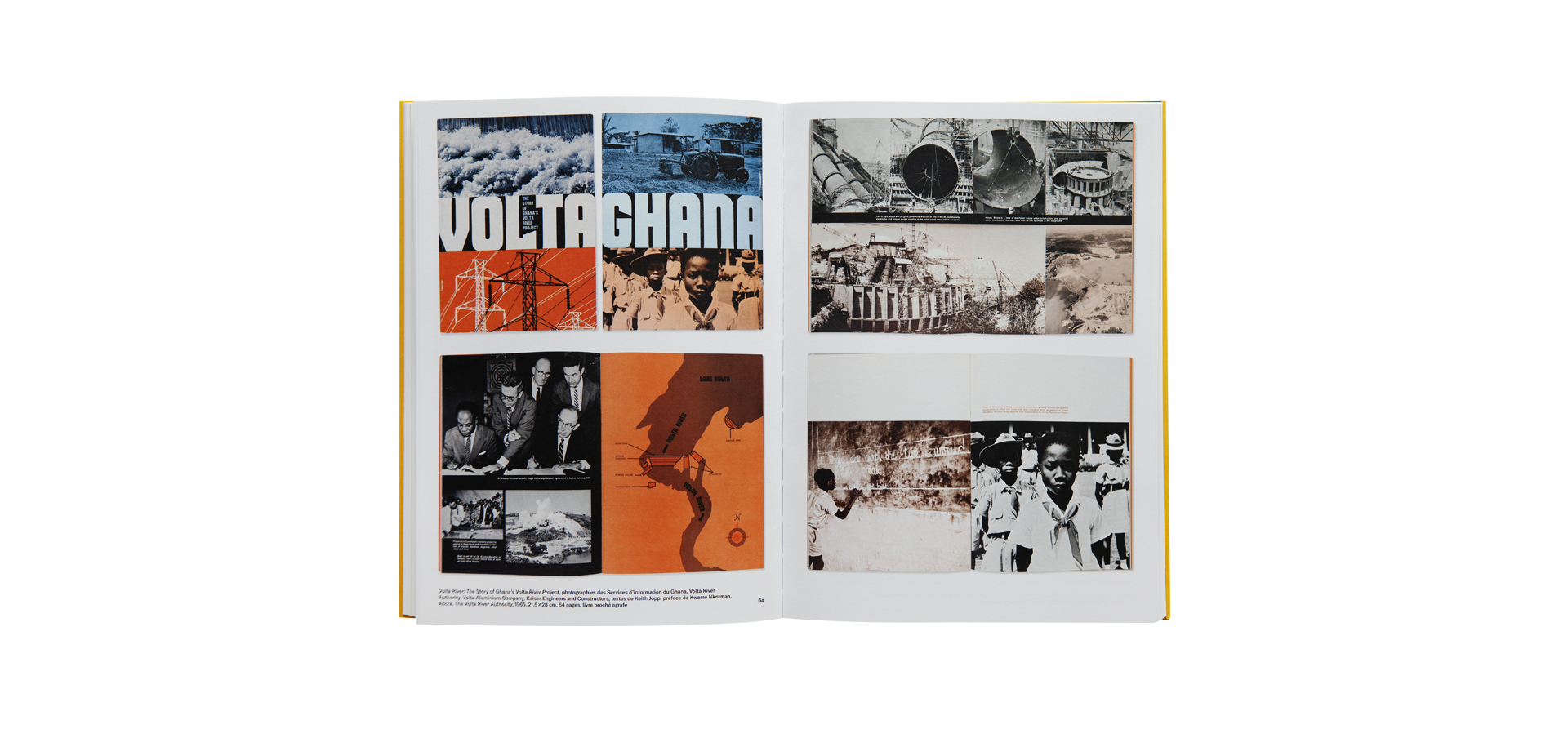
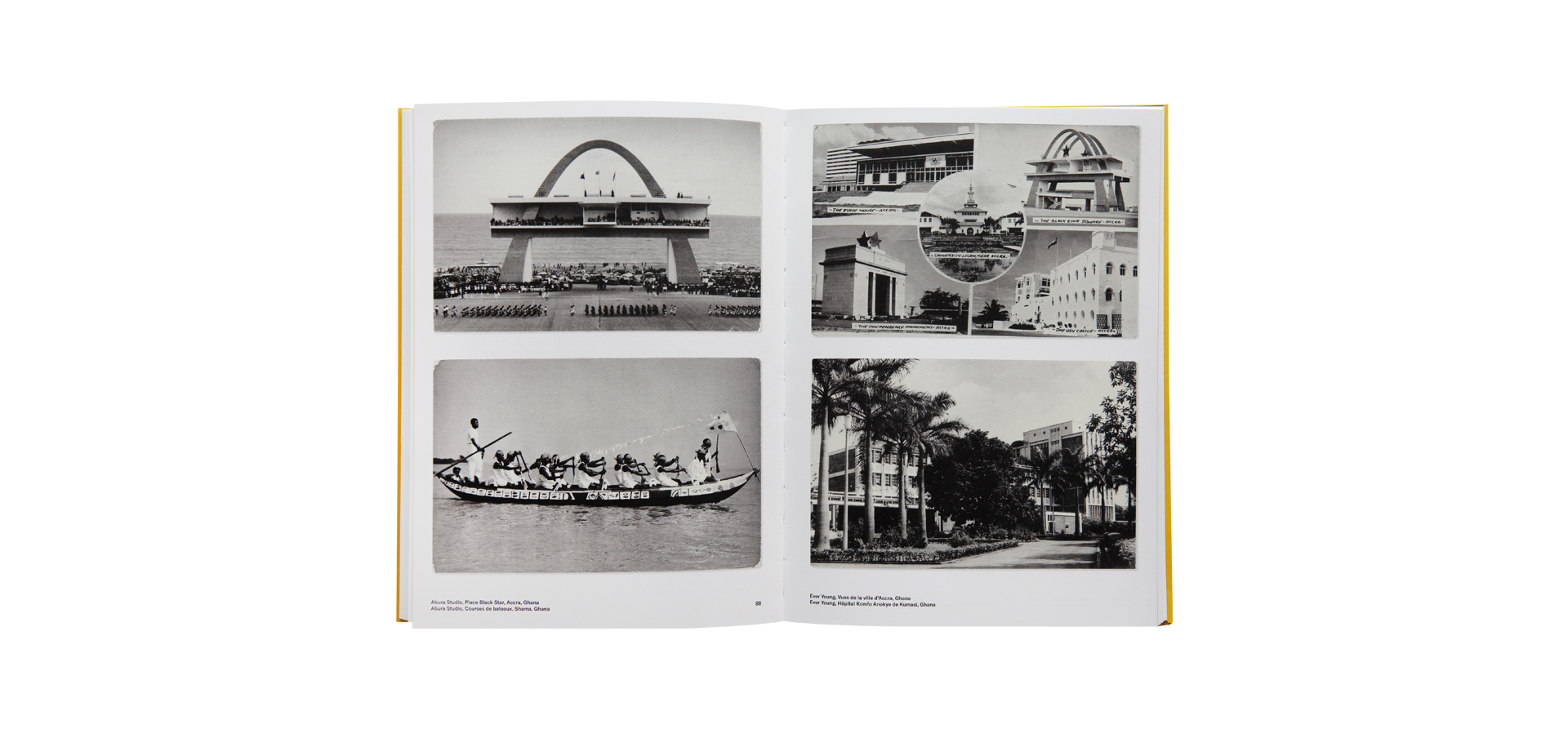
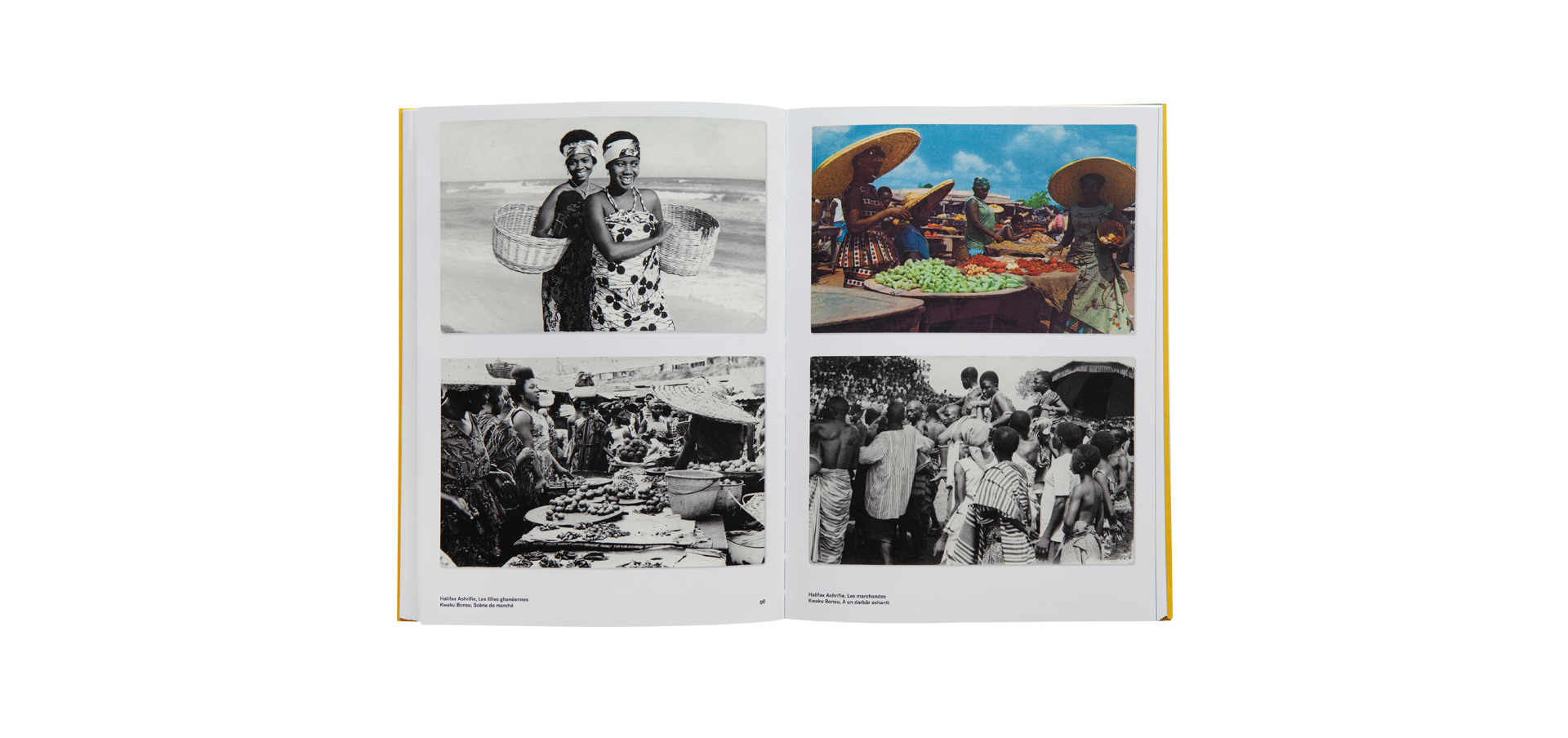
Photography thus played a crucial role in shaping the image of the young nation, both within its borders and abroad. Banknotes, brochures, illustrated magazines, postcards, stamps, and even textiles served as vehicles for this new national image. Proud of its early achievements and admired beyond its borders, Ghana sparked a publishing boom on the cusp of its independence in the 1960s and 1970s. The country thus saw its image analyzed, documented, and celebrated in all its facets in numerous photography books. Like the now-iconic Ghana: An African Portrait (1976) by Paul Strand, or The Roadmakers (1961) by American photographer Willis E. Bell and Ghanaian playwright Efua Sutherland, these works offer new ways of representing the country and its people, in stark contrast to colonial iconography.
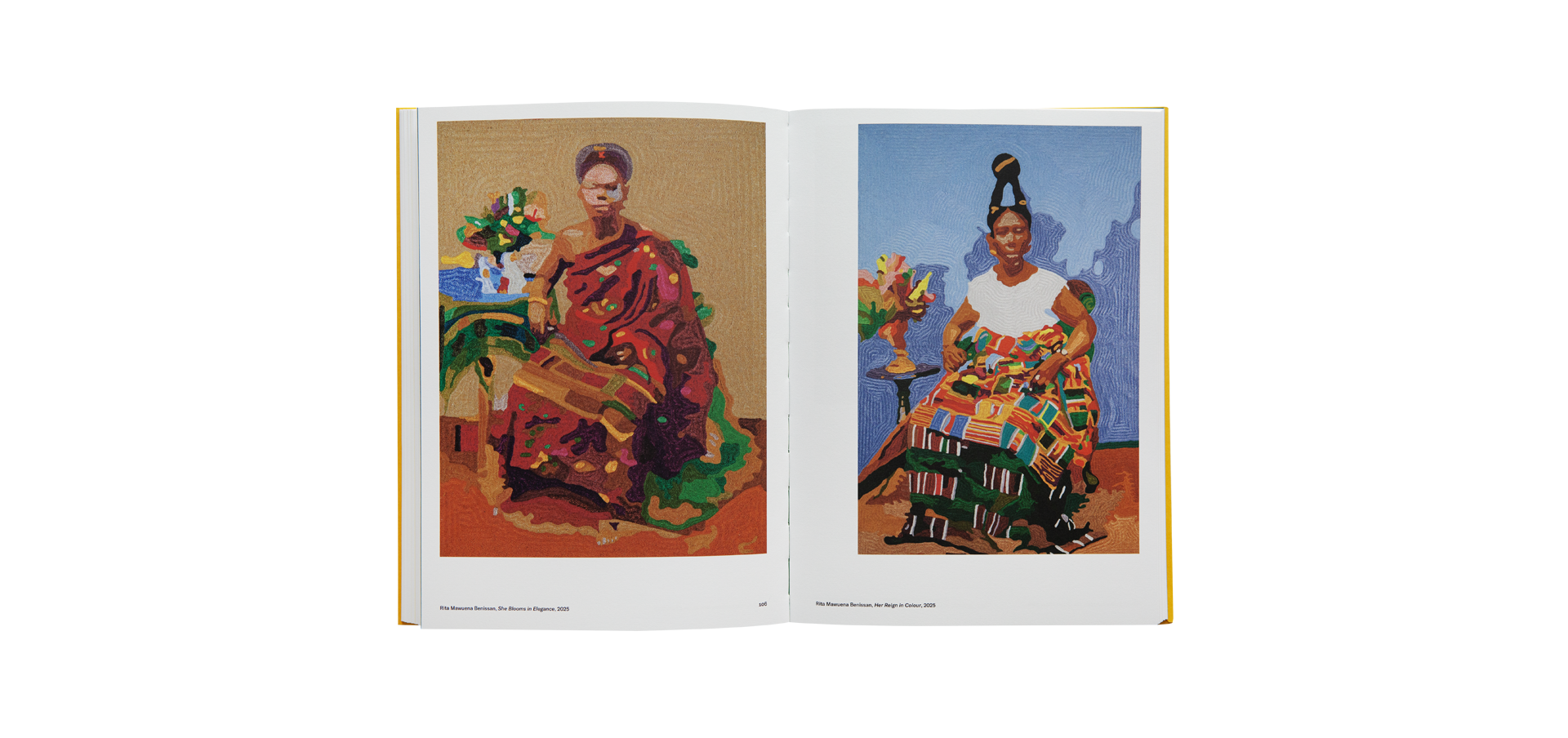
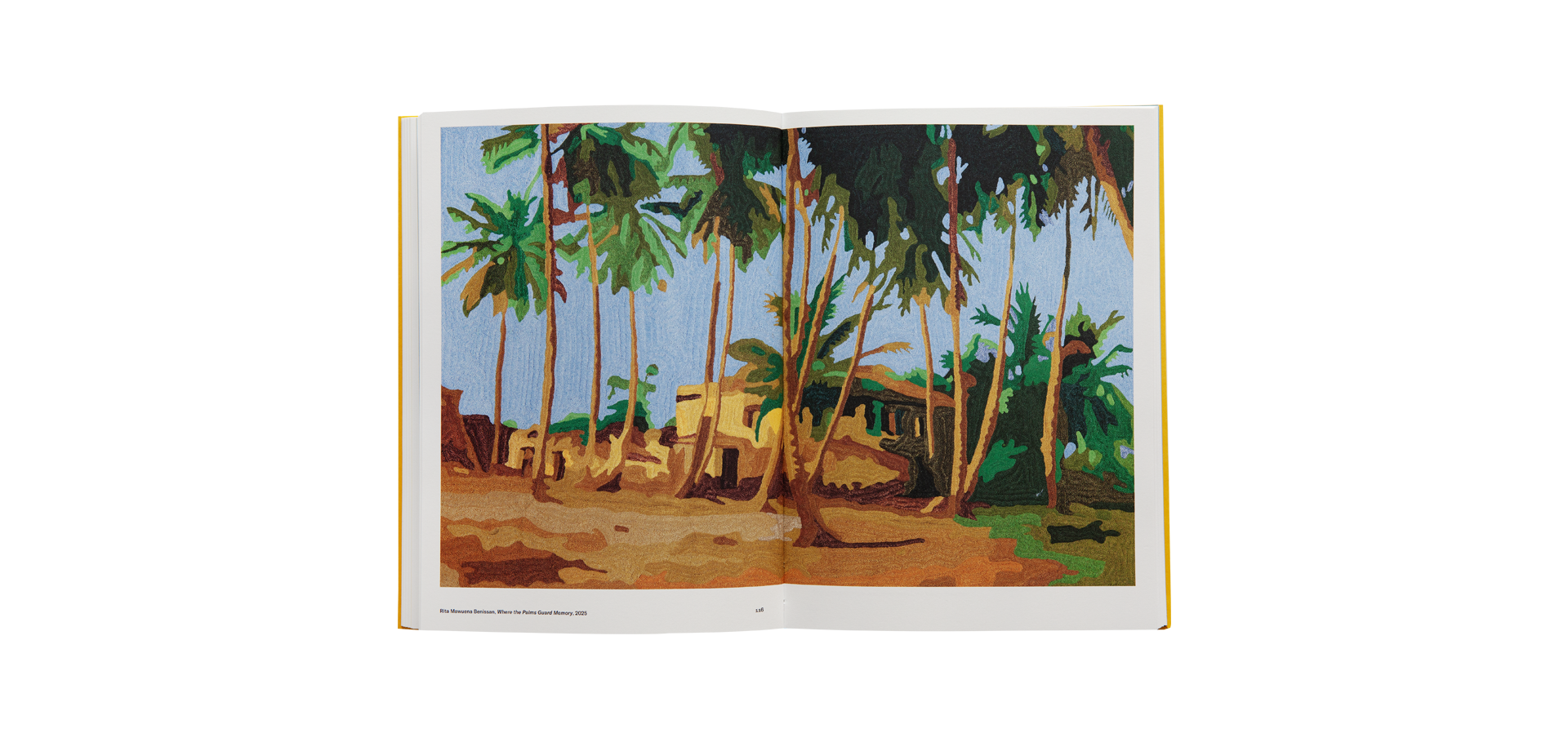
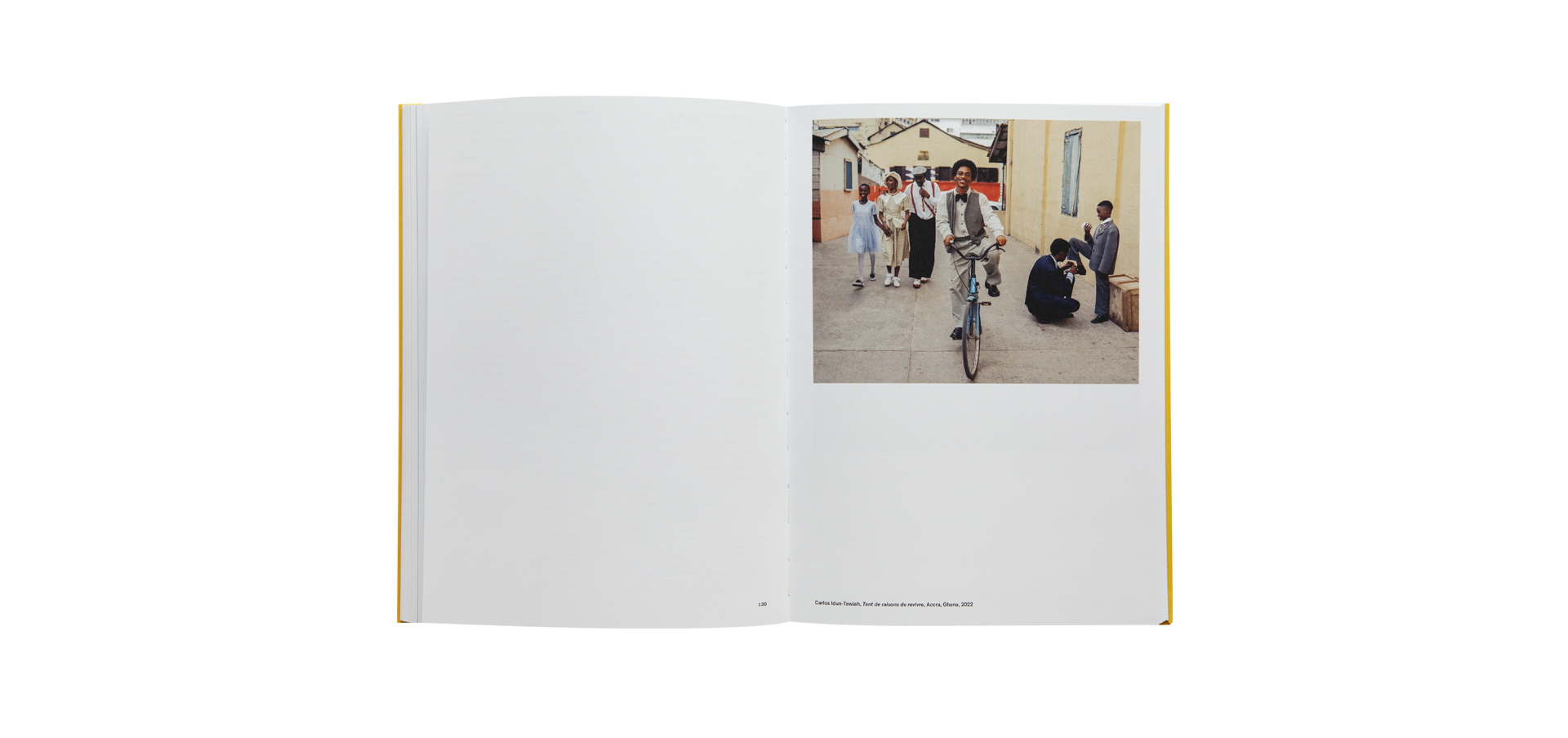
Ghana ! Rêver l’indépendance explores this visual imagination, which flourished particularly in publishing—and in print media more broadly—during the first decades of independence. In dialogue with these historical representations, contemporary artists Rita Mawuena Benissan and Carlos Idun-Tawiah examine and shed light on this visual legacy, which—amid doubts, hope, and nostalgia—is more relevant than ever in the present.
After more than a century under British rule, Ghana—formerly the Gold Coast—celebrated its independence on March 6, 1957, driven by the determination of Ghanaian political groups, particularly Kwame Nkrumah, who would become the country’s first president in 1960. As a pioneer of the Pan-Africanist movement, the country thus paved the way for the rest of sub-Saharan Africa toward political emancipation. At the dawn of this new freedom, complex times lay ahead, as Ghana had to simultaneously build the structures of its state, strengthen its political authority amid the Cold War, and forge a national identity.
Among the many economic, social, and political challenges, the reshaping of a distinct cultural and intellectual identity lay at the heart of Ghana’s emancipation project. Music, theater, dance, literature, and the visual arts contributed to this momentum by sensitively extending this recent experience of freedom.
Photography thus played a crucial role in shaping the image of the young nation, both within its borders and abroad. Banknotes, brochures, illustrated magazines, postcards, stamps, and even textiles served as vehicles for this new national image. Proud of its early achievements and admired beyond its borders, Ghana sparked a publishing boom on the cusp of its independence in the 1960s and 1970s. The country thus saw its image analyzed, documented, and celebrated in all its facets in numerous photography books. Like the now-iconic Ghana: An African Portrait (1976) by Paul Strand, or The Roadmakers (1961) by American photographer Willis E. Bell and Ghanaian playwright Efua Sutherland, these works offer new ways of representing the country and its people, in stark contrast to colonial iconography.
Ghana ! Rêver l’indépendance explores this visual imagination, which flourished particularly in publishing—and in print media more broadly—during the first decades of independence. In dialogue with these historical representations, contemporary artists Rita Mawuena Benissan and Carlos Idun-Tawiah examine and shed light on this visual legacy, which—amid doubts, hope, and nostalgia—is more relevant than ever in the present.
Hardcover, 19,5 x 27 cm
160 pages
Around 150 colour and B&W photographs
Editorial direction
Damarice Amao
Photographs
James Barnor
Rita Mawuena Benissan
Carlos Idun-Tawiah
Paul Strand
Texts (in French)
Damarice Amao
Ben Krewinkel
Margaux Lavernhe
Manuela Nebuloni (Postbox Ghana)
Exhibition
Ghana ! Rêver l'indépendance
1957-1976
The Rencontres d'Arles
July 6 - October 4, 2026
ISBN: 978-2-36511-480-6
Link to the video bookflip
 you may also like
 see the whole catalog