


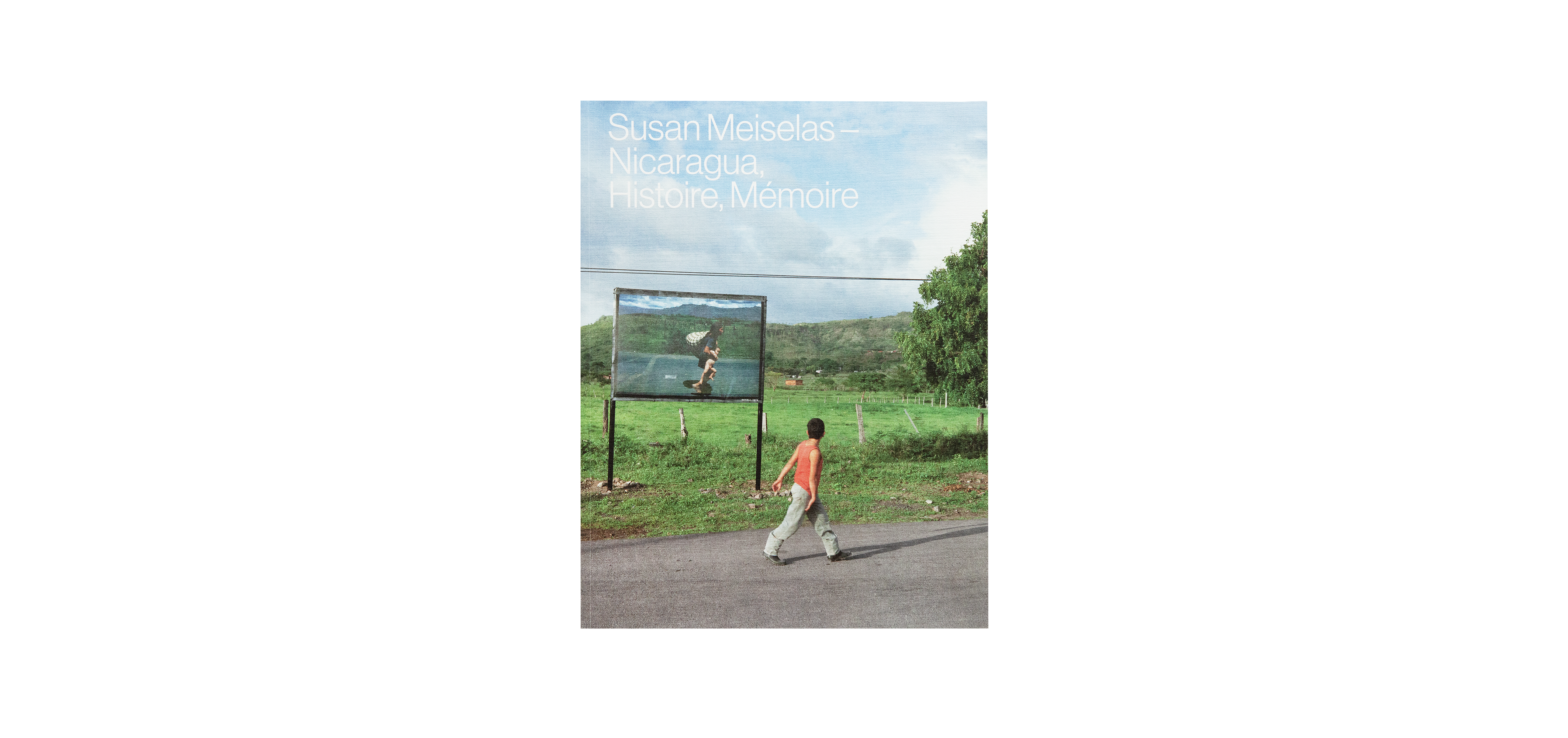
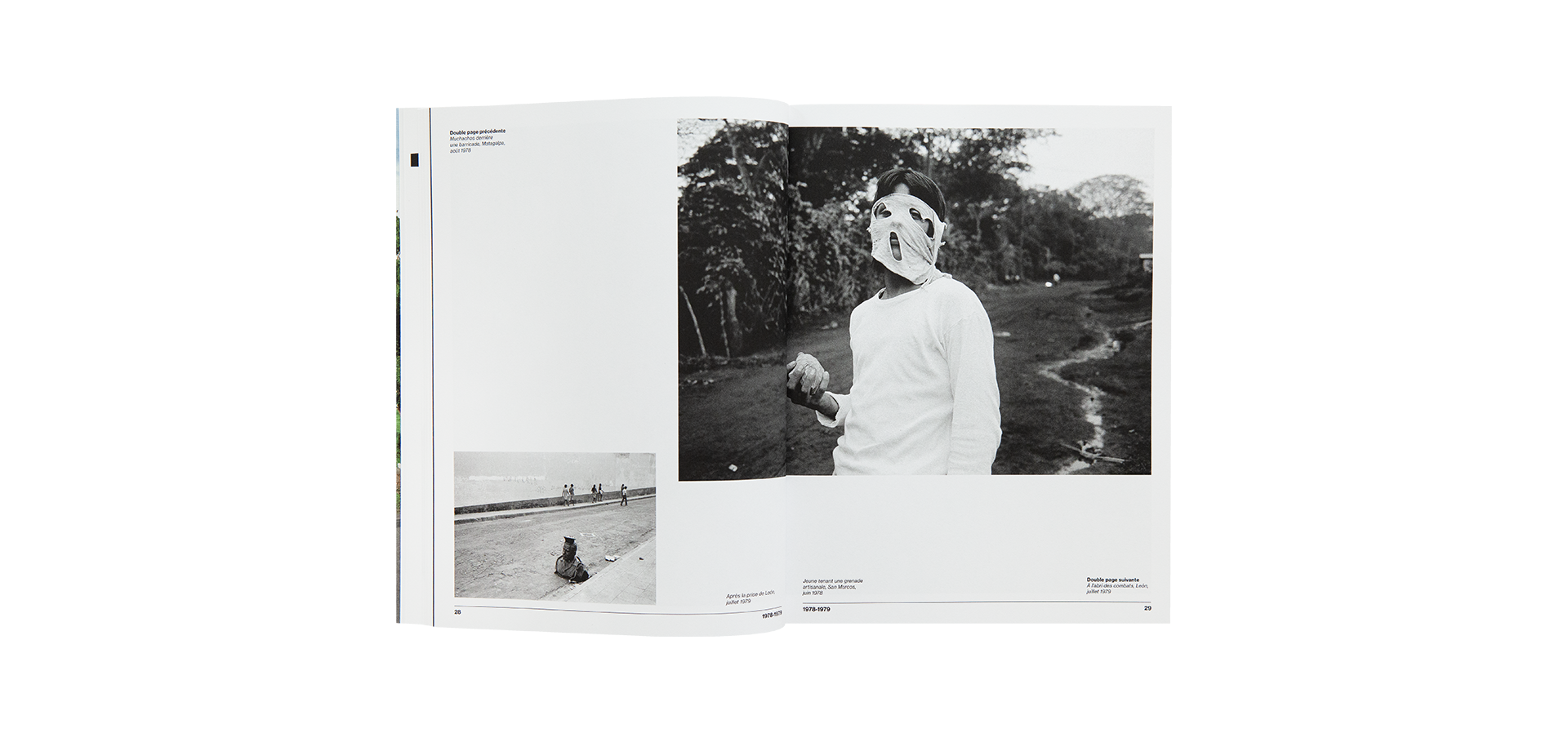
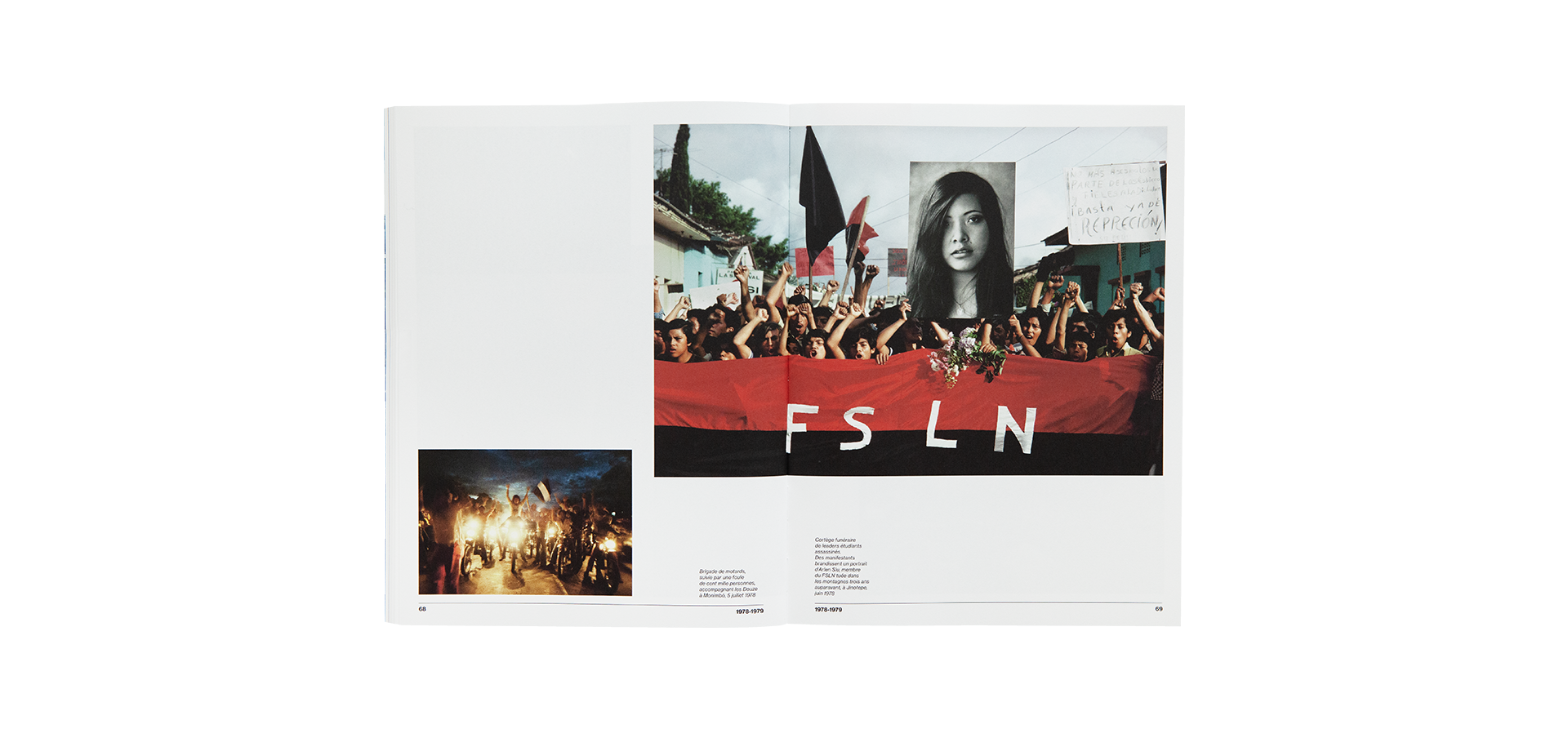
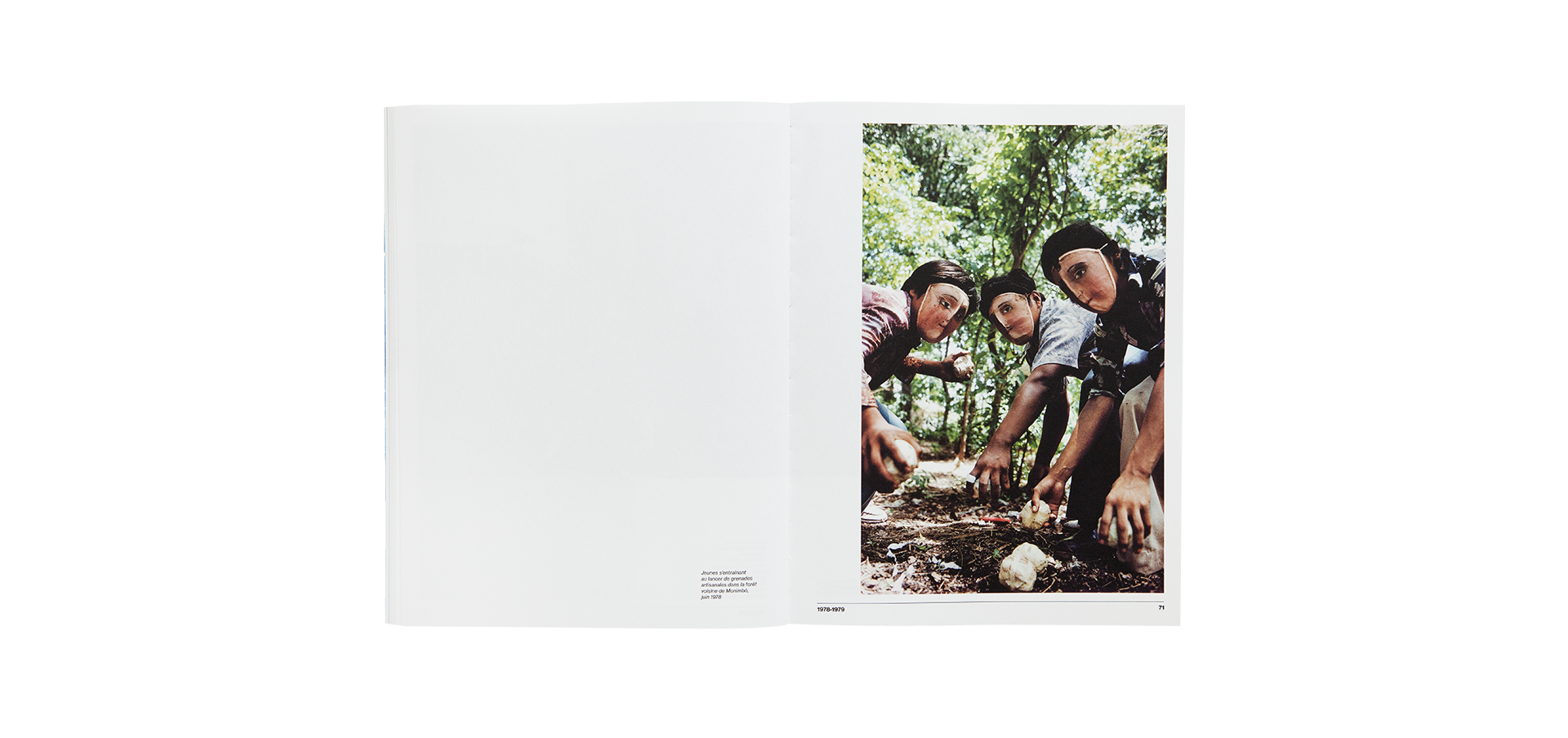
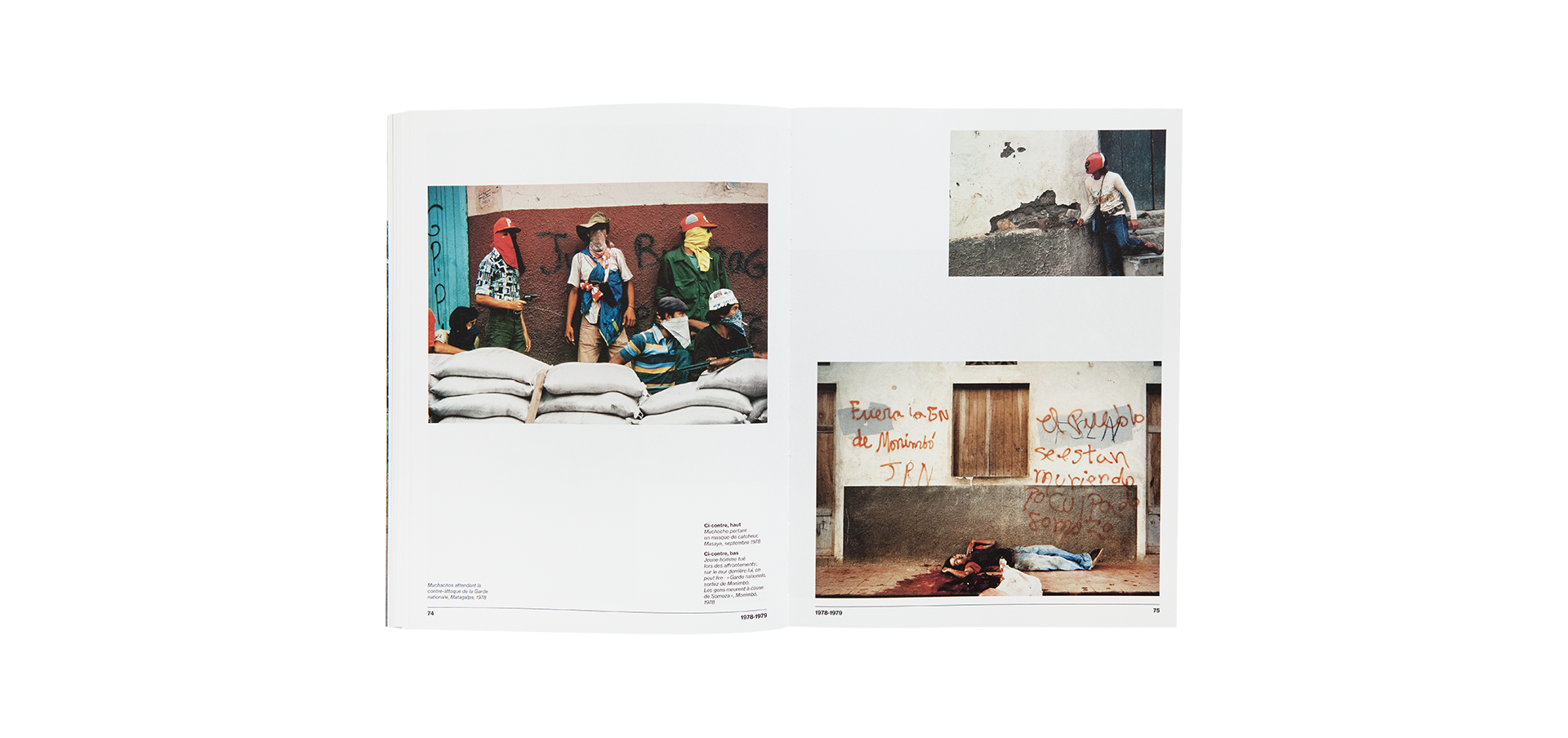
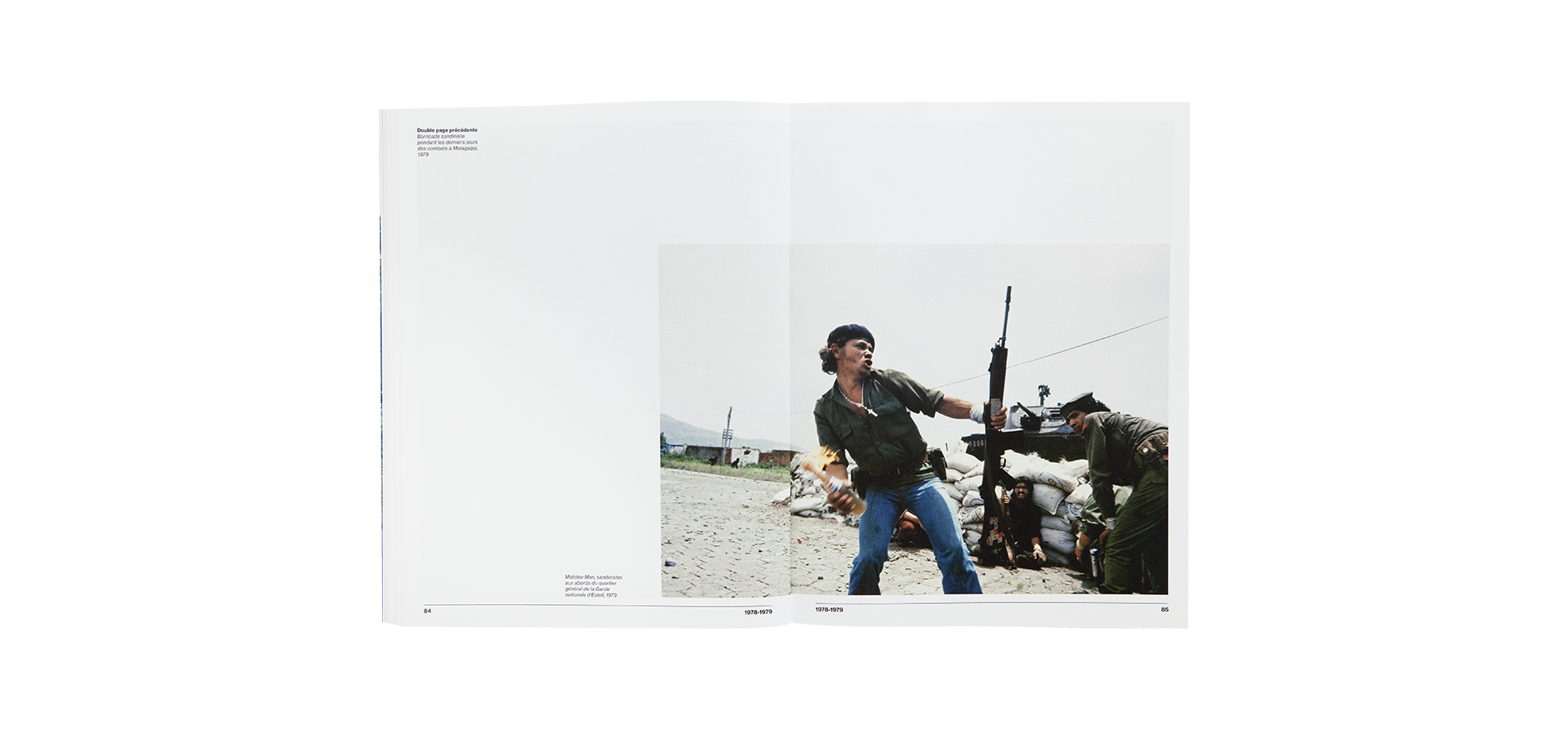
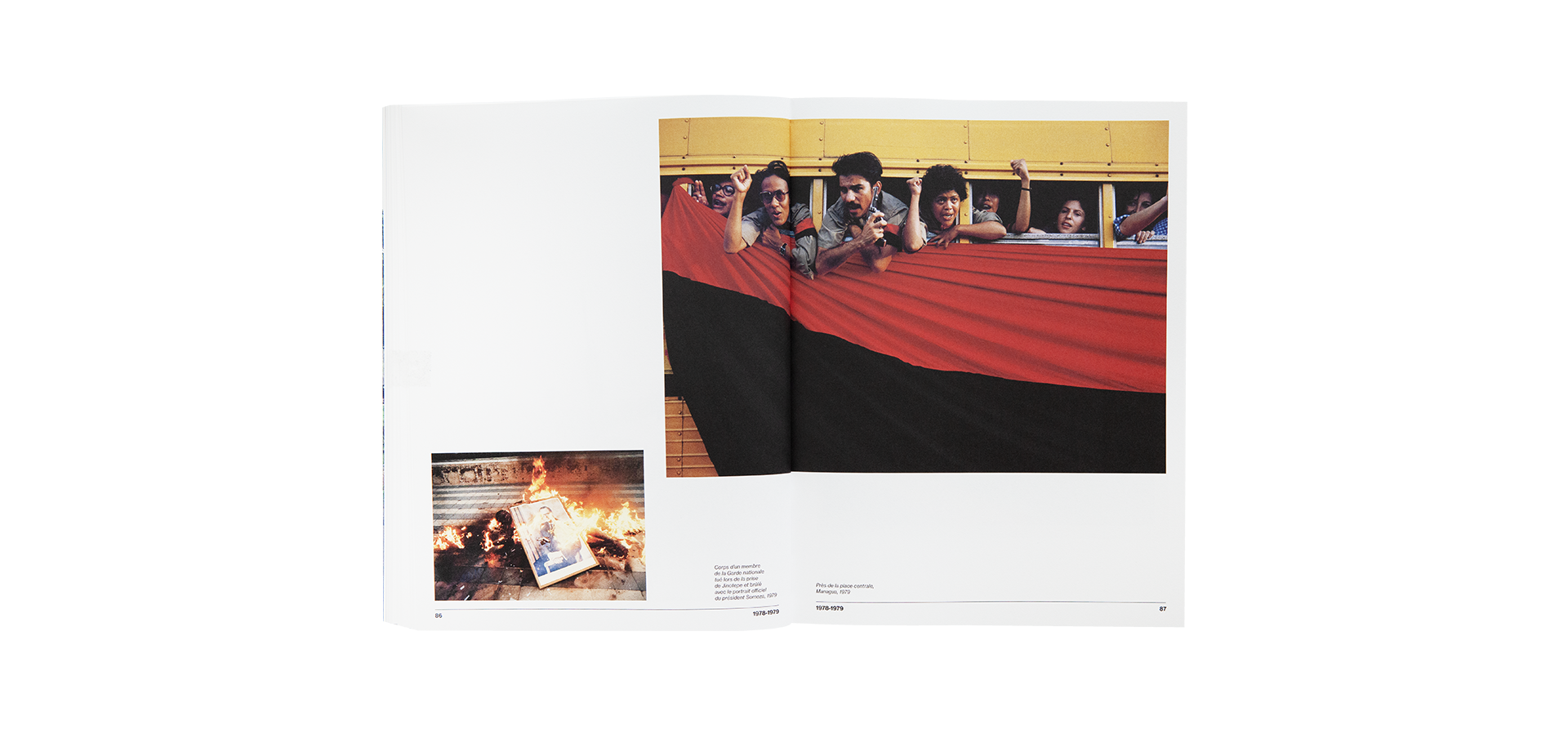
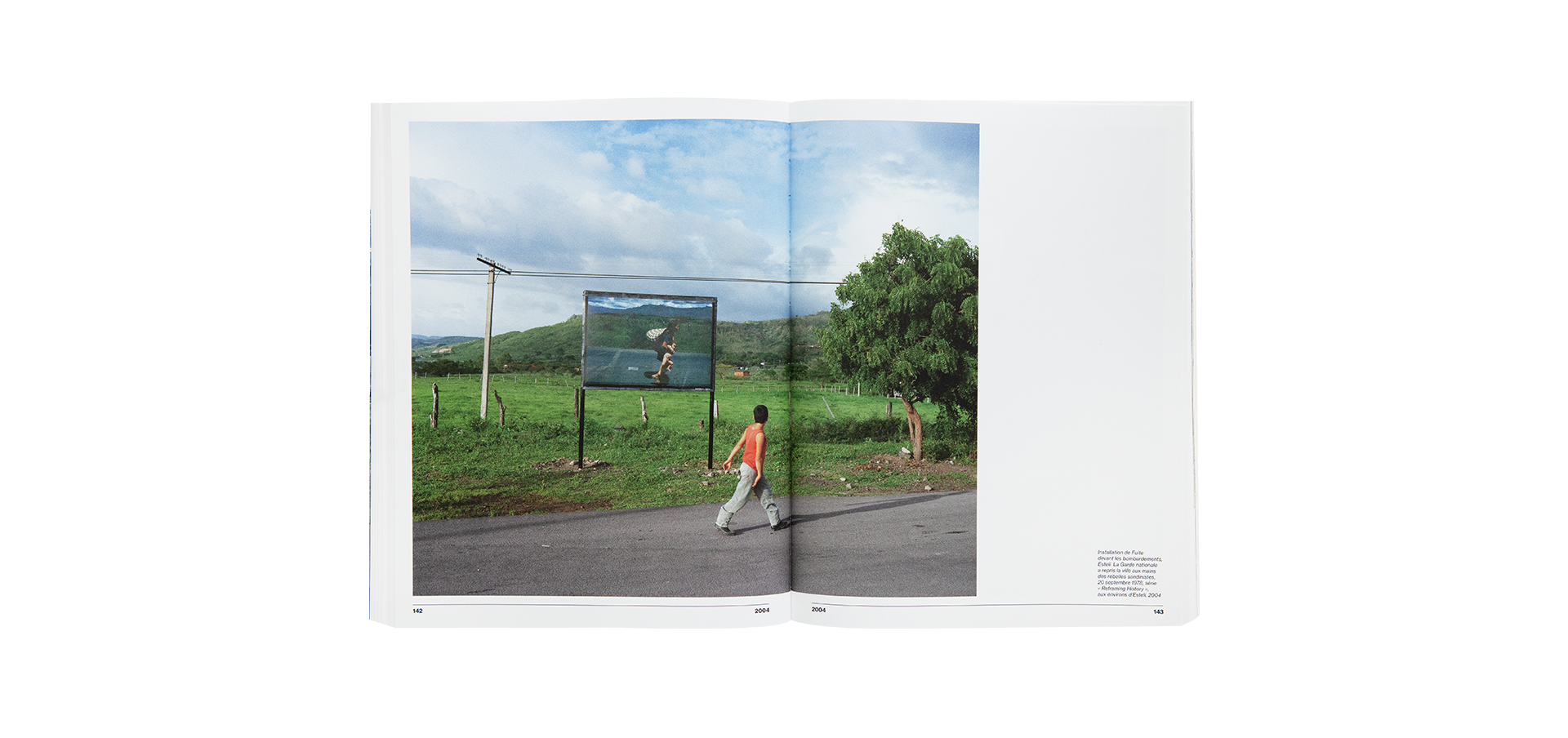
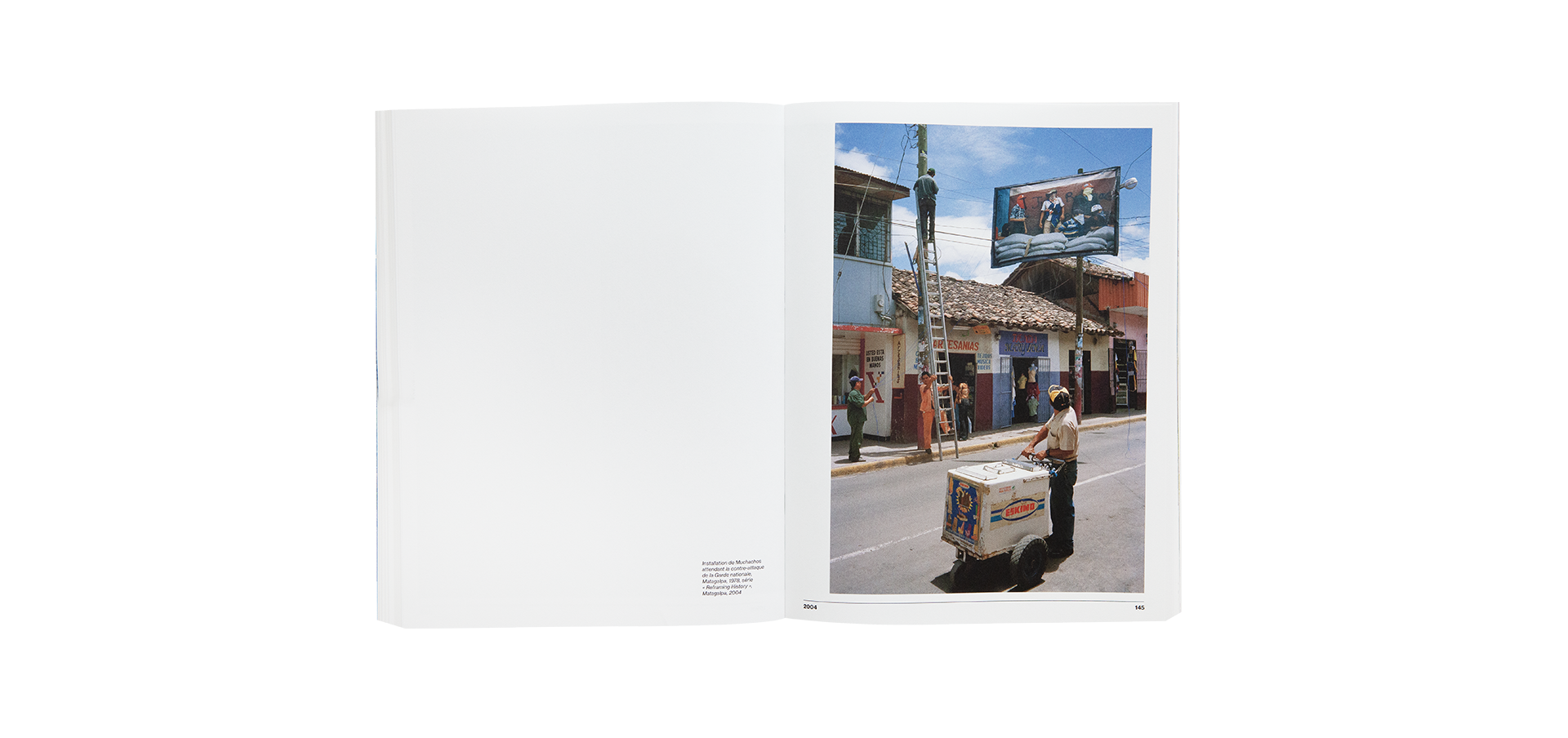
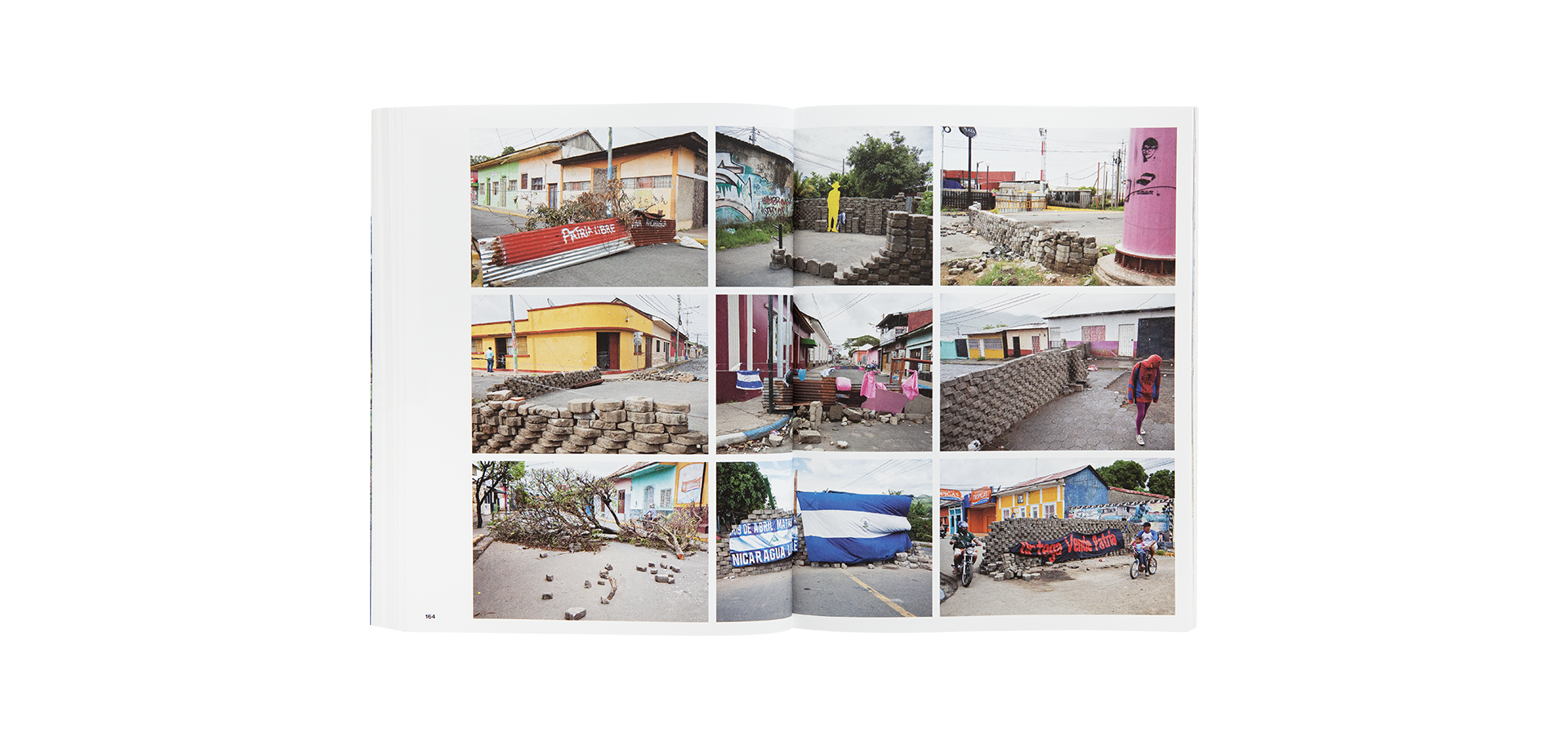
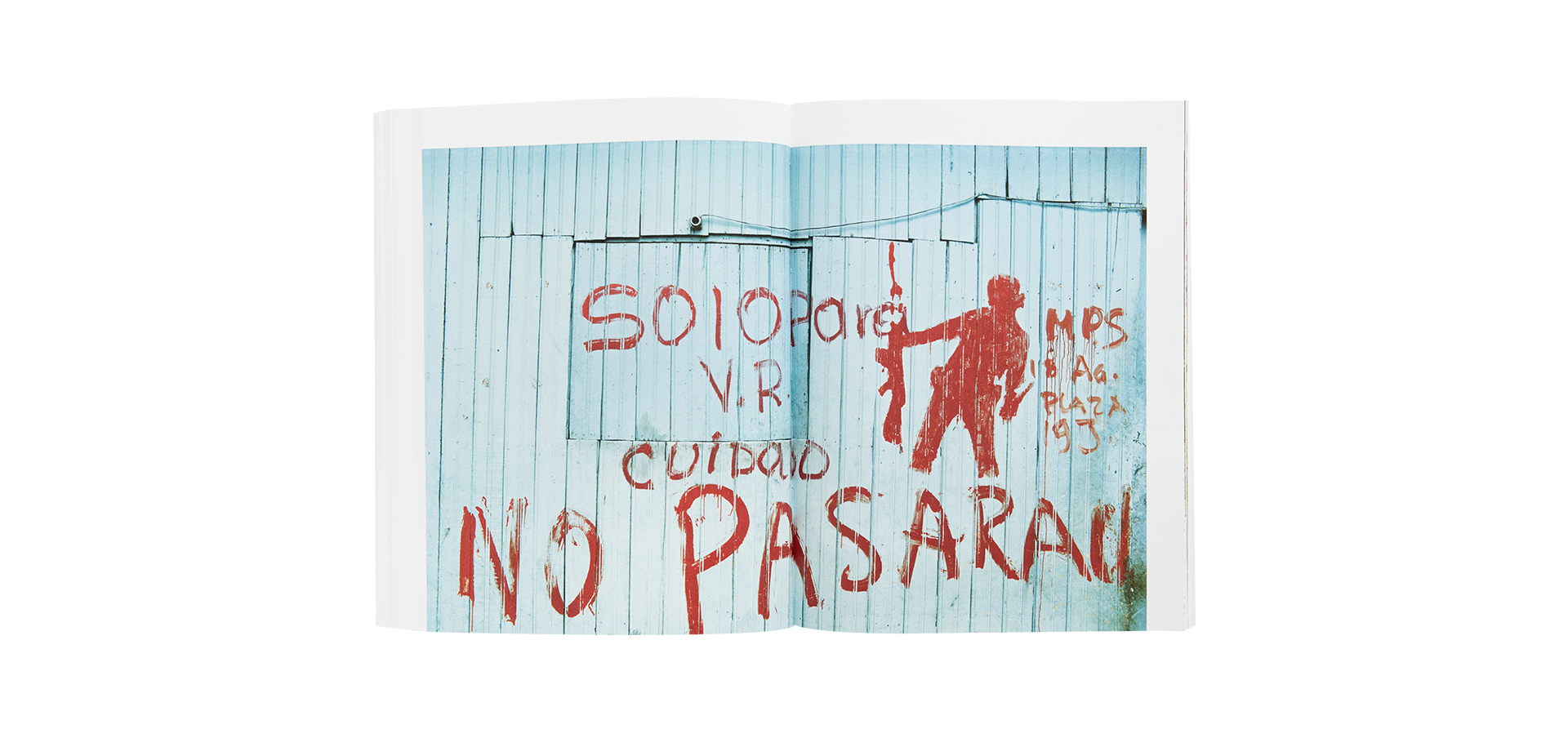

In 1978, Susan Meiselas, a member of the Magnum Photos agency, traveled to Nicaragua to photograph the Sandinista Revolution. At the time, black-and-white photography was widely used for documentary work, but while on the ground, Meiselas realized that “without color, [she] was unable to truly see the places and the people.” Working without a telephoto lens in order to get as close as possible to the subjects and the action, she captured the daily lives of the people, the street battles, and the guerrillas taking refuge in the mountains… The photographer built relationships of trust and ventured into the most remote areas. Her images bear witness to the uprising that is gradually spreading to every region of a country largely overlooked by the Western press. They also showcase a different approach to photojournalism: namely, following the unfolding dynamics of events in close-up, color shots. Through her approach, Meiselas aims to bring to light the stories of these young fighters—“I was sought out as a creator of images.” Ten years later, she returned to Nicaragua, carrying her famous book Nicaragua June 1978–July 1979, in search of the people she had photographed years earlier to explore their memories. She quickly realized the gap between what she herself had perceived and what her subjects had actually experienced. For the 25th anniversary of the revolution in 2004, she made her third trip to Nicaragua, this time with large-scale prints mounted on tarps hung in public spaces. This was followed by the production of videos. Finally, in 2018, she made a fourth trip to continue exploring how photographs impact and influence collective memory.
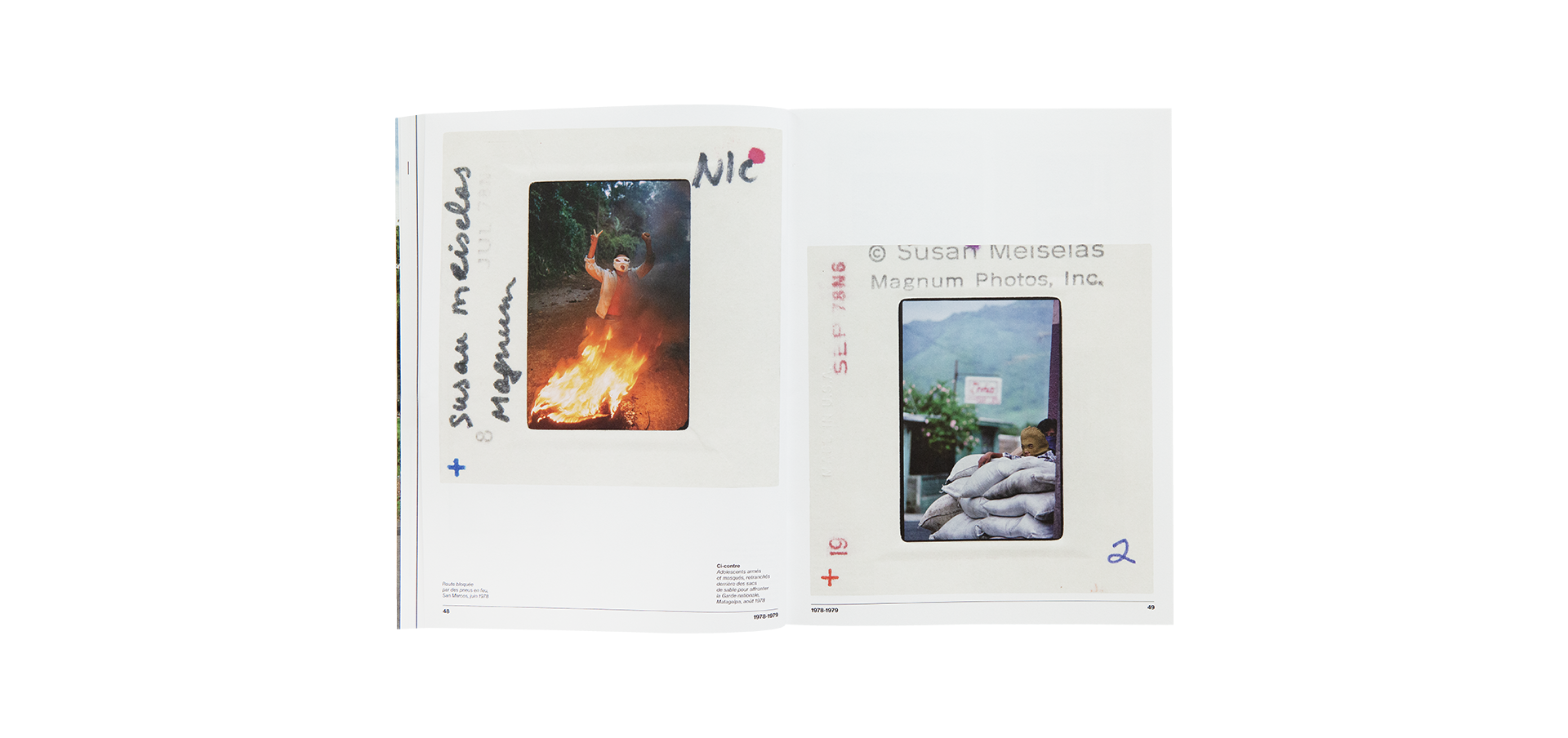
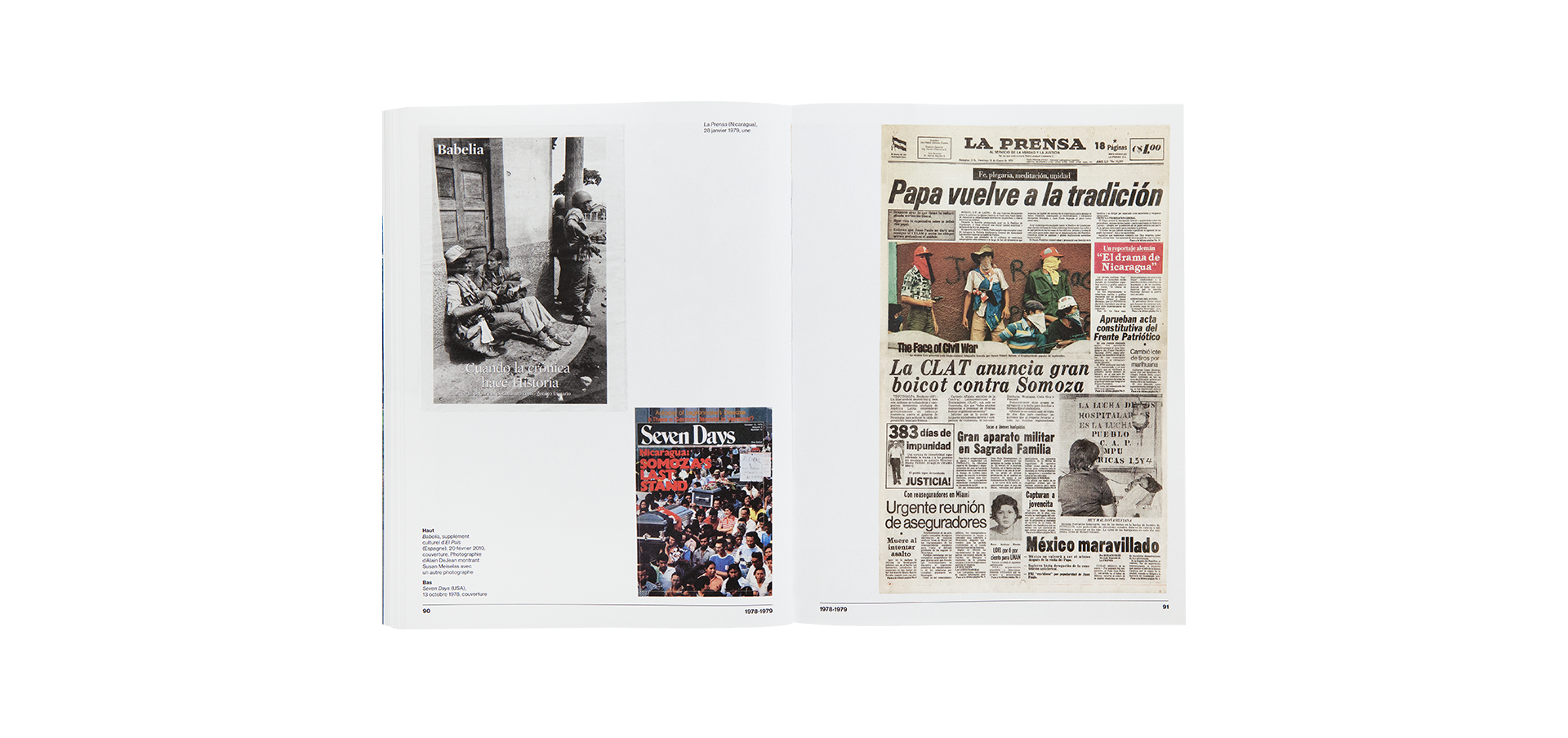
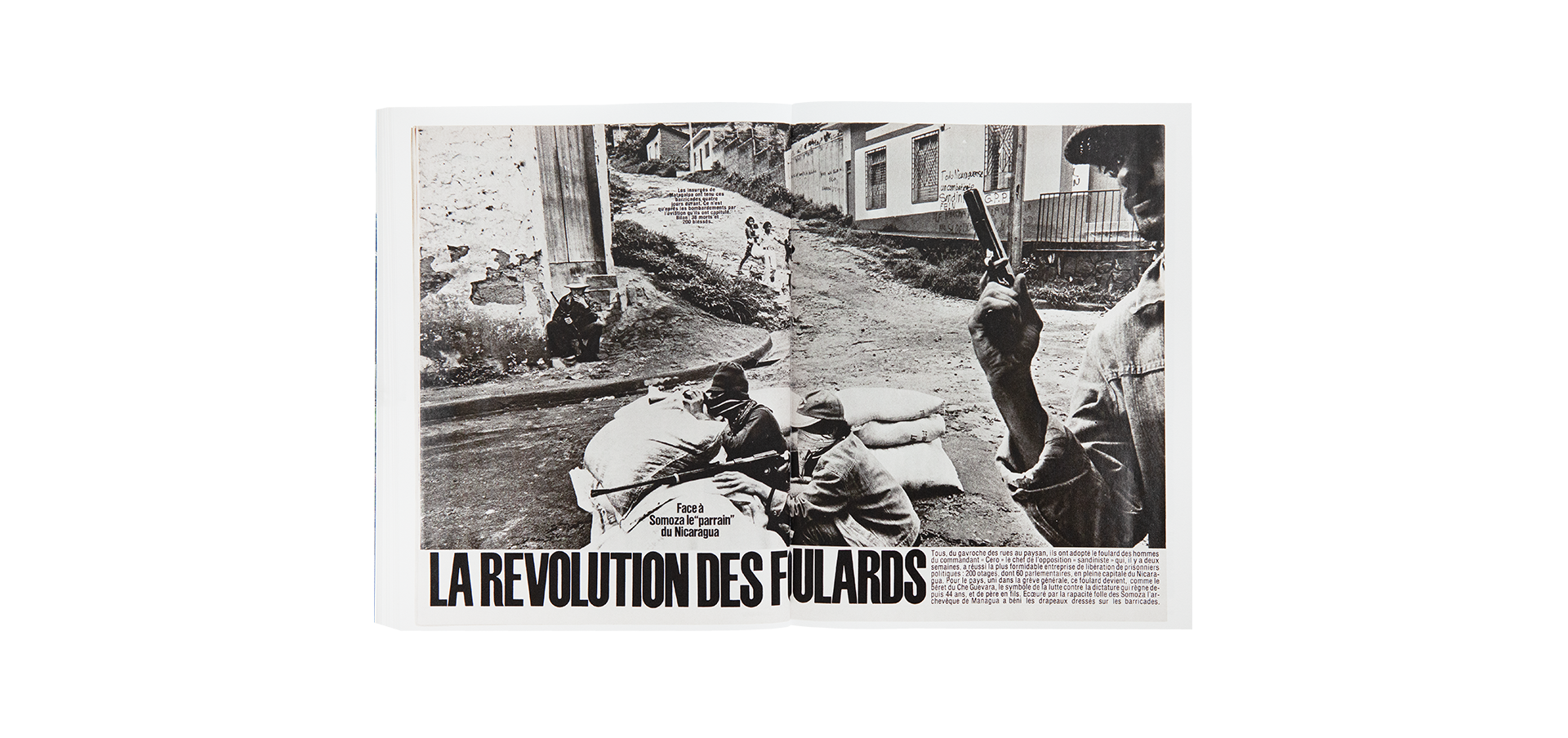
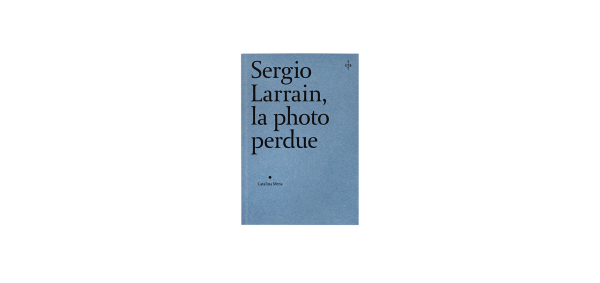
For the first time, this book offers a comprehensive look at the photographic work Susan Meiselas has produced in Nicaragua over the past forty years, featuring numerous previously unpublished images. Exchanges with the Magnum Photos agency, color slides, press publications, annotated book pages, filmed interviews, and installations in the street and in museums: the various media on which her photos have been reproduced and disseminated speak both to the dissemination of the image and its reproducibility, and question the iconic status of some of them. To push further this reflection on our perception of historical events through photography, four contemporary artists—Alfredo Jaar (Chilean), Arno Fischer & Peter Voigt (German), Joy Garnett (American), and Gabriel Pérez Setright (Nicaraguan)—present works that resonate with Susan Meiselas’s body of work. The book is accompanied by a rich collection of essays by international figures, which recontextualize this unique body of work by a major photographer on the the contemporary scene.
Two versions: English and French
Softcover
21,6 x 27,9 cm
256 pages
Approximately 200 photographs and documents
Photographs
Susan Meiselas
Texts
Gioconda Belli, poet and novelist
Carlos Fernando Chamorro, investigative journalist
Clément Chéroux, director of the Henri Cartier-Bresson Foundation
Kristen Lubben, director of the Magnum Foundation, New York
Ileana L. Selejan, art historian, Edinburgh College of Art
ISBN ENG : 978-2-36511-491-2
ISBN FR : 978-2-36511-491-2
 you may also like




 see the whole catalog